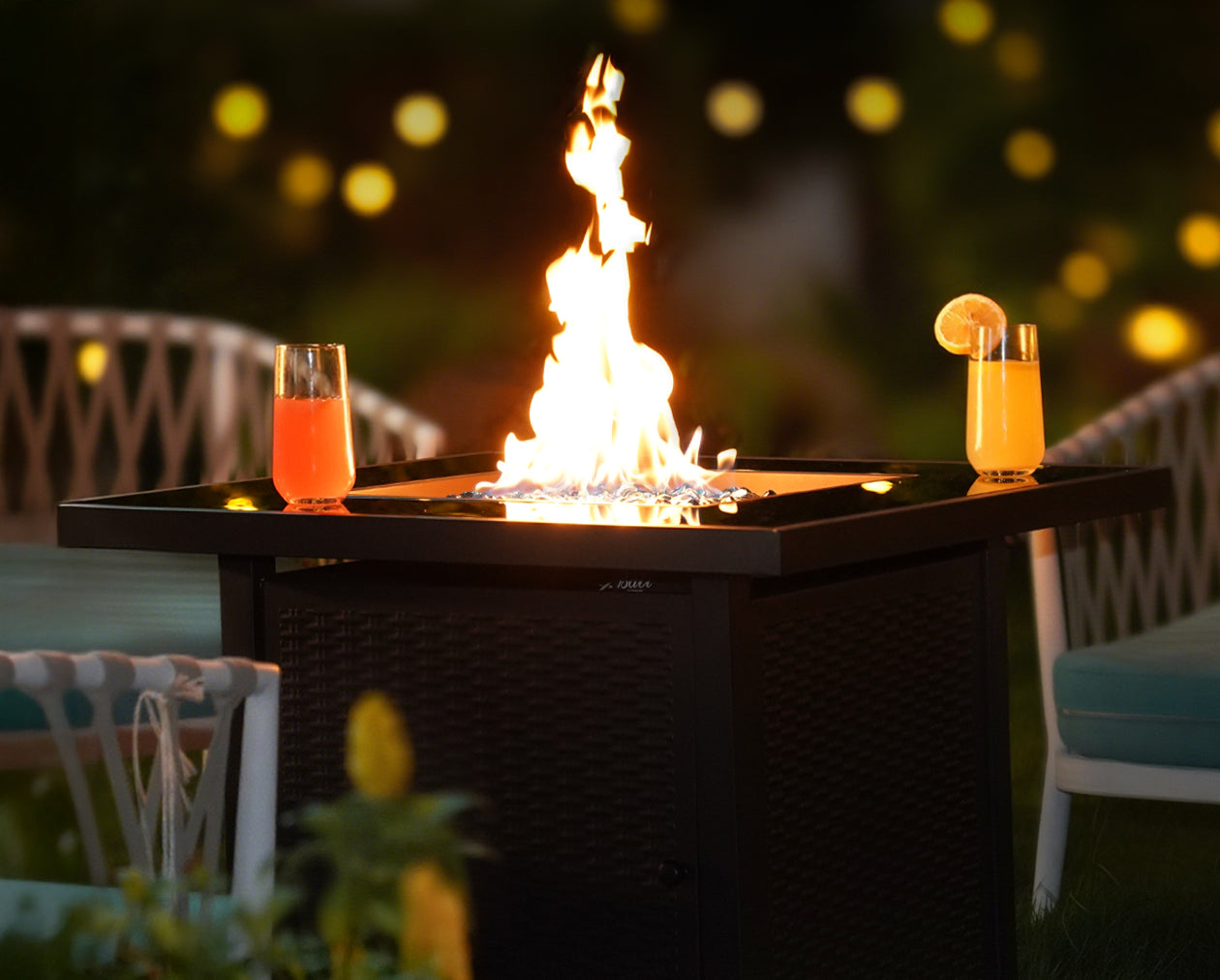


You want to add warmth and fun to your backyard. Fire pits and chimineas both do this job well, but they work differently. Each one has pros and cons that affect how you use your outdoor space. This guide helps you pick the right one for your needs, budget, and lifestyle. Let's break down what makes each option unique so you can choose with confidence.
Fire Pit vs Chiminea: Key Differences
- Backyard fire pits sit low and open. You can see the fire from all sides. Most people arrange chairs in a circle around them. This setup lets everyone enjoy the flames equally. You'll find wood burning fire pits and gas models. Both create great gathering spots.
- Chimineas stand tall with a round belly and a chimney on top. They come from Mexico and have been around for hundreds of years. The fire burns inside the belly, and smoke goes up through the chimney. Most chimineas burn wood, though some newer ones use gas. For a full introduction to this fire feature, see our complete chiminea guide.
Heat Output: Fire Pit vs Chiminea
How Fire Pits Distribute Heat
Outdoor fire pits send heat in every direction. Everyone around the fire stays warm. A good fire pit warms an area about 10-15 feet wide. This makes them perfect for bigger groups.
How Chimineas Focus Warmth
Chimineas shoot heat straight out the front opening. The enclosed design pulls air through the fire, making it burn hot. But only people sitting in front get warm. The sides and back don't give much heat.
Fire pits win for overall warmth. But chimineas work great for small patios where people naturally sit together. The focused heat feels cozy when you just want to warm up a small area.
Safety: Which Is Safer for Your Backyard
Fire Pit Safety Tips
Fire pits show open flames that can pop and spark. Good models come with mesh screens that catch flying embers. Wood burning fire pit owners need to keep them at least 10 feet from houses, fences, and trees.
Chiminea Safety Features
Chimineas contain sparks better. The chimney sends sparks up and away from people. The smaller fire chamber also means you burn less wood at once, which keeps things safer.
But chimineas get very hot on the outside. Metal ones especially can burn you if you touch them. They also tip over more easily than fire pits, so you need flat, stable ground.
Both need hard surfaces underneath. Concrete, brick, or stone work best. If you have a wood deck, get a heat-resistant pad made for fire features.
Which One Is Easier to Install and Set Up?
Setting Up a Fire Pit
Outdoor fire pits come in two types. Portable ones just sit on your patio. You can move them around or store them for winter. Built-in fire pits stay in one spot and often include custom stone work or gas lines.
Installing a Chiminea
Chimineas move more easily. Smaller clay ones weigh 50-100 pounds. Two people can lift them. Cast iron versions weigh more but still move without too much trouble. You don't need to install anything—just put it down and start using it.
Gas fire pits add extra convenience. You hook them to a propane tank, push a button to light them, and they're ready. When you finish, just turn them off. No mess to clean up.
How Much Do Fire Pits and Chimineas Cost?
Fire Pit Prices
Portable fire pits typically range from $100-400 depending on size, features, and materials. Entry-level models start around $100-150. Quality fire pits with cooking features, durable construction, and better heat output cost $200-400. These offer the best balance of performance and value for most homeowners.
Chiminea Prices
Chimineas typically cost $100-400 for quality models. Small clay models start around $100-150. Durable cast iron versions with better construction range from $200-400.
Fuel Costs
Wood burning fire pit models use regular firewood. Buying firewood costs about $150-300 per cord. That gives you fuel for 20-30 fires.
Gas fire pits burn propane. A 20-pound tank costs $15-25 to refill. It runs for 8-10 hours on medium heat. You never clean ashes or deal with smoke. But you miss the wood smell and crackling sounds.
Chimineas mostly burn wood. They use less wood than fire pits because the fire chamber is smaller. You might use one or two bundles per night instead of huge amounts. This saves money over time.
Can You Cook on Fire Pits and Chimineas?
Cooking on Fire Pits
Fire pits let you cook easily. The open top holds grill grates. You can adjust the height, rotate food, or put a pot right in the coals. Many wood burning fire pit models come with swing grills or adjustable racks. You can grill burgers, roast hot dogs, make s'mores, or cook full meals.
Gas versions work for cooking too, though food tastes less smoky. Some fancy models include built-in grills.

Cooking on Chimineas
Chimineas don't work well for cooking. You might fit a small grill over the front opening for hot dogs or marshmallows. But the tall shape and enclosed fire make real cooking hard. Most people use chimineas just for warmth and looks. If cooking outdoors is a priority, our fire pit cooking guide covers the best foods, tools, and techniques.
What Design and Style Options Are Available?
Fire Pit Designs
Backyard fire pit designs range from simple to fancy. You'll see models made from stone, copper, ceramic tiles, or black steel. Round pits feel cozy and intimate. Rectangle shapes work better for long seating areas. Built-in fire pits can match your house colors or patio materials.
A big fire pit becomes the main feature of your patio.
Chiminea Styles
Chimineas usually look traditional or southwestern. Classic clay ones come in terracotta colors and bring Mexican charm. Cast iron versions last longer and look rustic. Modern chimineas come in bronze, copper, or sleek finishes.
Chimineas add height but take less floor space, which helps on small patios.
How to Maintain Fire Pits and Chimineas?
Fire Pit Maintenance
Outdoor fire pits need ash cleaning after wood fires. Ash builds up and blocks airflow. Most people clean ashes once a week when they use the fire pit a lot. Metal fire pits need covers in the rain to stop rust. Gas models need almost no work except cleaning the burner sometimes.
Chiminea Care
Chimineas need more care, especially clay ones. Clay chimineas must be "cured" before you first use them. You also need to protect them from rain. Water soaks in and cracks the clay when it freezes. Even small cracks spread fast and break the whole thing. Metal chimineas handle the weather better but still need covers.
Both last longer with good care. Store smaller ones during harsh winters. Paint metal parts when the finish wears. Keep chimneys clear of soot.
How Much Space Do Fire Pits and Chimineas Need?
Space Needed for Fire Pits
Backyard fire pit setups need room. Most rules say keep them 10-25 feet from buildings. The seating area needs 6-8 feet from the flames. This means you need about 18-30 feet across total.
Space Needed for Chimineas
Chimineas fit tiny spaces. The unit uses only 2-3 square feet of floor. You need clearance from walls, but the focused heat means chairs can sit closer in front. A small patio or deck works fine for a chiminea where a fire pit won't fit.
Ceiling height matters for covered areas. Never use either one in enclosed spaces. Covered patios need at least 9 feet for chimineas and 12+ feet for fire pits.
Quick Comparison Table
| Feature | Fire Pit | Chiminea |
| Heat Distribution | 360-degree warmth | Front-focused heat |
| Cooking | Excellent - full meals | Limited - snacks only |
| Spark Control | Needs mesh screen | Built-in chimney |
| Portability | Varies (50-200+ lbs) | Easy (50-100 lbs) |
| Fuel Efficiency | Uses more wood | Uses less wood |
| Weather Resistance | Better wind tolerance | Struggles in wind |
| Lifespan | 15-20+ years (metal) | 2-5 years (clay), 10-15 years (iron) |
Which One Should You Choose
Choose a Fire Pit If You
- Have parties with lots of people often
- Want to cook outdoors
- Have a big yard
- Like heat all around
- Want portable or built-in options
Choose a Chiminea If You
- Have a small patio
- Want better smoke control
- Need safer spark containment
- Want to move it easily
- Like traditional Mexican style
Consider Gas If You
Want convenience, instant lighting, and zero cleanup.
Conclusion
Fire pits and chimineas both make great outdoor spaces. Fire pits suit people who cook outside, host crowds, and have room. Chimineas work better for small spaces, fewer people, and controlled smoke. Think about your space, budget, entertaining style, and weather when you decide.
Ready to upgrade your backyard? Explore the premium collection at Bali Outdoors®. Whether you choose a wood burning fire pit with cooking features, a convenient propane fire table, or a classic chiminea, our products combine quality construction with thoughtful design. Turn ordinary nights into special outdoor moments with the right fire feature for your home.

5 FAQs about Fire Pit and Chiminea Essentials
Q1: Can I put a fire pit or chiminea on my wood deck?
Yes, but be careful. Use a fire-rated pad underneath. Gas models work better than wood since they don't throw sparks. Keep proper distance from railings and your house. Check your local rules first—some areas don't allow open flames on wood decks at all.
Q2: How long do chimineas last compared to fire pits?
Cast iron chimineas last 10-15 years with good care. Clay ones last 2-5 years since they crack easier. Quality fire pits last 15-20+ years. Metal fire pits rust over time but you can fix them with paint. Built-in fire pits last decades with proper maintenance.
Q3: Which one makes less smoke?
Chimineas make less smoke in your face because the chimney pulls it up and away. Fire pits blow smoke wherever the wind goes. But fire pits let you choose better wood that makes less smoke. Dry hardwood smokes less than pine or wet wood. Gas fire pits make almost no smoke at all.
Q4: Do I need a permit for either one?
Rules vary by location. Many cities require permits for permanent fire pits, especially ones with gas lines. Portable models usually don't need permits, but you still must follow fire codes. Call your local fire department or building office to ask about rules in your area before buying.
Q5: Can children and pets stay safe around them?
Both need adult supervision around kids and pets. Fire pits need screens to contain sparks. Chimineas get hot on the outside and can burn curious hands. Teach kids to stay back from both. Never leave either one burning without an adult watching. Keep pets on leashes or in another area during fires.