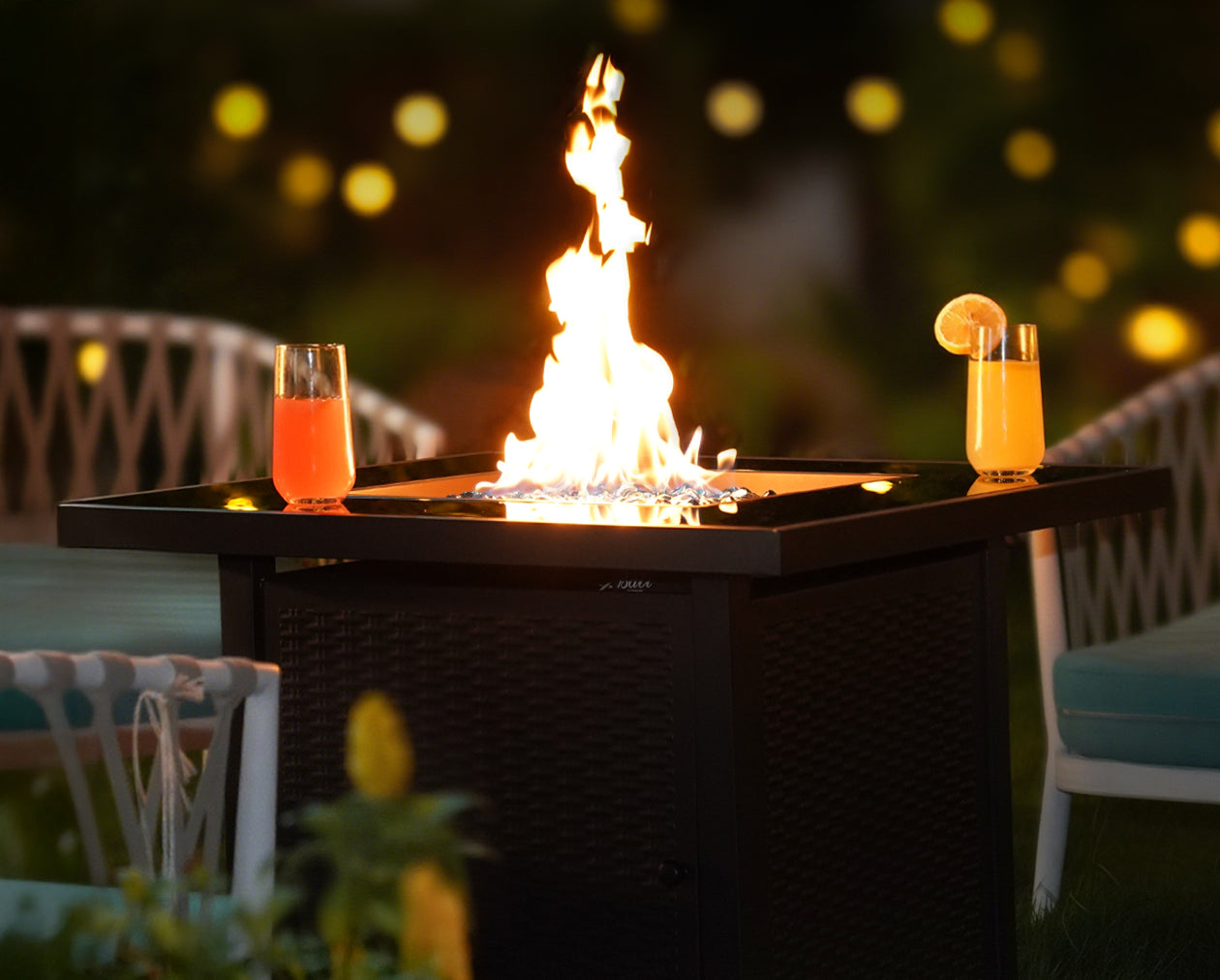


Smokeless fire pits have changed the way people enjoy backyard fires. No more shifting your chair every few minutes to dodge a cloud of smoke. No more clothes that smell like a campfire for days. These modern fire pits use airflow engineering to burn wood more completely, producing a fraction of the smoke you'd get from a traditional pit.
But with dozens of options on the market, picking the best smokeless fire pit for your setup takes some homework. This guide breaks down the top categories, what separates a good smokeless pit from a great one, and how to match features to the way you actually use your outdoor space.
How Smokeless Fire Pits Work
Before diving into picks, it helps to understand the basic mechanics. Smokeless fire pits use a double-wall construction that pulls in cool air from below, heats it between the walls, and releases it through small holes near the top of the burn chamber. This superheated secondary air ignites the smoke particles before they escape, resulting in a nearly smoke-free burn.
The concept is simple, but execution varies wildly across brands. Wall gap spacing, hole placement, and overall airflow design all affect how well a pit actually reduces smoke. For a deeper look at the engineering, see our guide on how smokeless fire pits work.
Best Smokeless Fire Pit Picks by Category
Not every fire pit fits every backyard. Here's what to prioritize in each category, plus the features that separate the standouts from the average options.
Best Overall Smokeless Fire Pit
What to look for: A mid-size pit (19-23 inches in diameter) built from 304 stainless steel with a well-engineered double-wall airflow system. The best overall pick should handle 4-6 people comfortably, light up within 5 minutes using standard firewood, and produce visible flames for at least 3-4 hours per load.
Key features: Removable ash pan for easy cleanup, stable base that won't wobble on a patio, and a burn chamber deep enough to hold full-size split logs without stacking them above the rim.
Price range: $250-$400
Best Portable Smokeless Fire Pit
What to look for: Weight under 20 lbs and a compact diameter (15-17 inches). Carrying handles or a nesting design that fits in a car trunk. Portability shouldn't come at the cost of smoke reduction, so check that the double-wall system is intact even in smaller models.
Key features: Carrying case or bag included, heat shield for use on sensitive surfaces like campsite picnic tables, and quick assembly with no tools required. If you're shopping specifically for travel use, our portable fire pit guide covers everything from weight limits to campground regulations.
Price range: $150-$300
Best Budget Smokeless Fire Pit
What to look for: Solid smoke reduction at a lower price point. Budget pits often use thinner gauge steel or a mix of stainless and carbon steel. That's fine for occasional use. The real question is whether the airflow design actually works. Cheaper pits sometimes have fewer or poorly placed vent holes that let smoke escape during the first 10-15 minutes of burn.
Key features: At minimum, you want a genuine double-wall design (not just decorative holes), a removable ash pan, and rust-resistant coating if the body isn't full stainless steel.
Price range: $80-$180
Best Smokeless Fire Pit for Cooking
What to look for: A flat-top rim or integrated grill grate system. The best cooking-capable smokeless pits let you switch between an open flame ambiance and a grilling setup in seconds. Look for adjustable grate heights, since controlling the distance between food and coals matters more than raw heat output.
Key features: Cast iron or stainless steel grill grate (included or available as an accessory), stable enough to support a cast iron skillet, and a design that still provides good airflow even with a grate in place. Check out our fire pit cooking guide for food ideas and safety tips.
Price range: $300-$500
Best Smokeless Fire Pit for Small Spaces
What to look for: Compact footprint (under 18 inches diameter) with adequate heat output for a small patio or balcony. Heat deflection matters here. A pit that radiates too much downward heat can damage decking. Models with built-in stands or raised bases are preferred for tight spaces.
Key features: Low spark output, included heat shield or stand, and a design that throws heat outward rather than straight up. For more small-space strategies, read our fire pit picks for small patios.
Price range: $150-$300
Best Large Smokeless Fire Pit for Gatherings
What to look for: A 24-27 inch diameter pit that can warm a group of 8-10 people. Larger pits need stronger airflow systems to handle the bigger fuel load. Check that the secondary combustion holes are proportionally sized, not just the same small holes used on a compact model.
Key features: High-capacity burn chamber, heavy-duty construction (14-gauge steel minimum), and a wide enough rim for resting drinks or roasting sticks without blocking airflow vents.
Price range: $350-$600
Smokeless Fire Pit Comparison Table
| Category | Ideal Size | Material | Weight | Price Range | Best For |
|---|---|---|---|---|---|
| Best Overall | 19-23" | 304 Stainless Steel | 25-35 lbs | $250-$400 | Everyday backyard use |
| Best Portable | 15-17" | Stainless Steel | Under 20 lbs | $150-$300 | Camping, tailgating |
| Best Budget | 17-21" | Carbon/Stainless Mix | 15-30 lbs | $80-$180 | Occasional use |
| Best for Cooking | 19-23" | 304 Stainless Steel | 30-45 lbs | $300-$500 | Grilling + ambiance |
| Best for Small Spaces | Under 18" | Stainless Steel | 15-22 lbs | $150-$300 | Patios, balconies |
| Best Large | 24-27" | 14-ga Steel minimum | 40-60 lbs | $350-$600 | Large groups (8-10) |
What to Look for When Buying a Smokeless Fire Pit
Category picks are useful, but the details below apply to every smokeless pit purchase. These are the factors that determine whether you'll still enjoy using your fire pit two years from now.


Material and Build Quality
304 stainless steel is the gold standard. It resists rust, handles extreme heat without warping, and keeps its appearance over years of use. Some pits use 430 stainless or powder-coated carbon steel, which works fine in dry climates but can corrode in humid or coastal areas.
Weld quality matters as much as material choice. Look for continuous welds at stress points rather than spot welds that can crack after repeated heating and cooling cycles. For a full material breakdown, see our smokeless fire pit buyer's guide.
Airflow Design
The number and placement of secondary air holes directly affects smoke reduction. Better designs use multiple rows of precision-cut holes at different heights inside the burn chamber. This creates overlapping curtains of heated air that catch smoke particles at various stages of the burn.
A quick test: if the manufacturer shows a clear cross-section diagram of their airflow system, that's usually a sign they've invested in the engineering. Vague descriptions like "advanced ventilation" without specifics should raise a flag.
Size and Heat Output
Bigger isn't always better. A 27-inch pit in a 10x10 patio will overheat the space and push everyone to the edges. Match pit diameter to your seating area:
- 15-17 inches: 2-4 people, intimate settings
- 19-23 inches: 4-6 people, most common size
- 24-27 inches: 8-10 people, large patios or open yards
Heat output typically ranges from 40,000 to 70,000 BTUs depending on fuel load. Most manufacturers don't list BTU ratings for wood-burning pits since output varies with the type of wood burned.
Fuel Type
Most smokeless fire pits burn seasoned hardwood, but some models accept wood pellets, charcoal, or a combination. Hardwood (oak, hickory, maple) produces the most heat and longest burns. Softwood like pine lights faster but creates more creosote buildup.
If you want the convenience of no wood splitting and easy cleanup, look at propane smokeless options. They won't give you the crackle and wood smell, but they offer instant on/off control and zero ash. Curious about the tradeoffs? Our smokeless vs. traditional fire pit comparison breaks down every fuel type side by side.
Accessories and Add-Ons
A fire pit without the right accessories is only half the setup. The essentials include:
- Fire pit cover: Protects against rain, UV, and debris. A tight-fitting fire pit cover extends the life of any pit by years. Not sure what size you need? Our cover sizing guide walks through measuring and fit.
- Cooking grate: Turns your fire pit into an outdoor grill. Look for adjustable height options.
- Carry bag: Essential for portable models. Reinforced handles and heat-resistant lining are worth the extra cost.
- Ash pan or scoop: Makes cleanup a 2-minute job instead of a messy ordeal.
- Heat deflector: Redirects heat outward toward seating instead of straight up into the sky.
Maintenance and Longevity
Stainless steel pits develop a patina over time. This is normal and doesn't affect performance. For appearance, occasional cleaning with a stainless steel cleaner restores the original finish. Carbon steel models need more attention: dry them after rain, apply a light oil coat before storage, and keep them covered when not in use.
Proper off-season storage makes a real difference. Even the best stainless pit will degrade faster if left uncovered through winter. Check our winter storage guide for step-by-step prep instructions.
Smokeless vs. Traditional: Is the Upgrade Worth It?
Traditional fire pits cost less upfront, but the smokeless advantage goes beyond comfort. Less smoke means fewer harmful particulates in the air, which matters if you have kids, guests with asthma, or close neighbors. Smokeless pits also produce less creosote and ash, reducing cleanup time and extending the life of surrounding furniture and structures.
The main tradeoff is price. A quality smokeless pit costs 2-3x more than a basic steel bowl pit. But per-use cost drops fast if you're someone who lights a fire every weekend from spring through fall.
One thing smokeless pits won't do: eliminate smoke entirely during startup. The first 5-10 minutes of any wood fire produce visible smoke until the pit reaches operating temperature. After that, a well-designed smokeless pit reduces visible smoke by up to 70-90% compared to an open pit.
Fire Pit Media: Glass, Lava Rock, or Nothing?
Some smokeless pits come with or accept decorative fire media on top. This is more common in propane models, but a few wood-burning designs include a media tray for use after the fire dies down to coals.
Fire glass reflects and refracts flame light, creating a sparkling effect. Lava rocks absorb and radiate heat more evenly. Both are purely aesthetic on wood-burning pits. For a full comparison of media types, read our guide on fire glass vs. lava rocks.
Frequently Asked Questions
Are smokeless fire pits really smokeless?
No fire pit is 100% smokeless. "Smokeless" means the design dramatically reduces visible smoke after the initial startup period (5-10 minutes). Once the double-wall system heats up, expect a 70-90% reduction in smoke compared to a traditional open pit. You may still see light wisps, especially when adding new wood.
How long do smokeless fire pits last?
A 304 stainless steel smokeless pit with proper care can last 10-15 years or more. Carbon steel models typically last 5-8 years with regular maintenance. The biggest factor in longevity is moisture exposure, so always use a cover and store the pit properly during off-season months.
Can you cook on a smokeless fire pit?
Yes, most smokeless fire pits work for cooking with the right accessories. Look for models that offer a compatible grill grate or flat cooking surface. Keep in mind that the double-wall design can concentrate heat differently than an open pit, so cooking times may vary. See our fire pit cooking guide for food ideas and techniques.
What is the best wood to burn in a smokeless fire pit?
Seasoned hardwoods like oak, hickory, and maple produce the best results. They burn hotter, last longer, and generate less smoke than softwoods. The wood should be dried to a moisture content below 20%, which you can verify with an inexpensive moisture meter. Avoid burning treated lumber, painted wood, or fresh-cut "green" wood.
Do smokeless fire pits give off enough heat?
Absolutely. The secondary combustion process actually extracts more energy from the same amount of wood, so smokeless pits tend to produce equal or greater heat output compared to traditional pits of the same size. A 20-inch smokeless pit burning seasoned oak will comfortably warm a circle of 4-6 people on a cool evening.
Can you use a smokeless fire pit on a wood deck?
Only with a proper heat shield or stand underneath. Smokeless pits generate intense bottom heat that can scorch or ignite wood decking. Many manufacturers sell compatible heat shields, or you can use a fire-rated pad. According to the National Fire Protection Association, any open flame device should be placed on a non-combustible surface and kept at least 10 feet from structures.
Finding the Right Smokeless Fire Pit for You
The best smokeless fire pit is the one that fits your space, your budget, and the way you actually spend time outdoors. Start by narrowing down the category that matches your primary use case. Then focus on material quality and airflow design over brand name or flashy features.
If you're still weighing options between smokeless and other fire pit styles, the BALI OUTDOORS smokeless fire pit collection includes a range of sizes and fuel types worth browsing. And for anyone who prefers the convenience of propane with the look of a real flame, their fire tables and propane pits offer a solid alternative that skips the wood-splitting entirely.