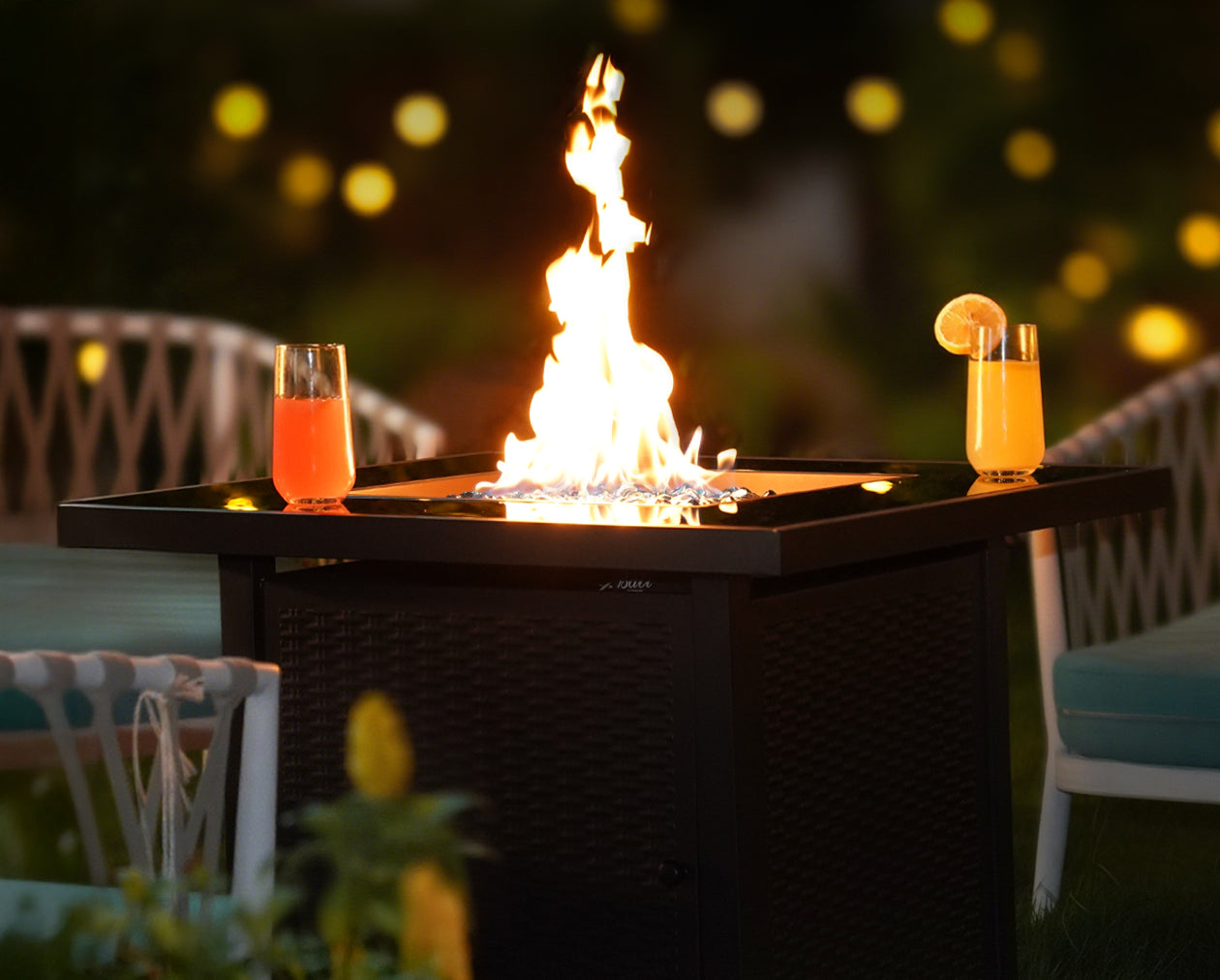


Hosting a last-minute backyard gathering? Heading out on a weekend camping trip? A portable fire pit gives you the warmth and ambiance of an open flame wherever you need it. Unlike permanent built-in fire pits, portable models move with you, from the patio to the campsite and back.
But "portable" can mean very different things depending on the fire pit. Some weigh under 15 pounds and fold flat for backpacking. Others tip the scales at 50+ pounds and are better described as "movable." This guide covers fuel types, key features, safety rules, and storage tips so you can pick the best portable fire pit for how you actually live.
What Makes a Fire Pit "Portable"?
There's no industry-standard definition for "portable," so manufacturers use the term loosely. Here are the three factors that actually determine portability:
- Weight: Truly portable fire pits weigh between 10 and 40 pounds. Anything above 50 pounds usually needs two people to move and is better classified as "relocatable."
- Size: Compact designs (typically under 24 inches in diameter) fit in a car trunk or truck bed. Larger portable models (28–30 inches) still move around a patio easily but aren't practical for road trips.
- Fuel type: Propane and wood-burning models dominate the portable category. Propane fire pits offer instant on/off convenience with no cleanup, while wood-burning pits deliver that classic campfire experience. Gel and ethanol fire pits are the lightest option but produce minimal heat.
Types of Portable Fire Pits
Portable Fire Pit Propane Models
Propane fire pits are the most convenient portable option. Connect a tank, turn a valve, and you have a clean, smokeless flame in seconds. BALI OUTDOORS propane fire pits feature pulse ignition systems and hidden 20 lb propane tank storage, giving you reliable heat output without the hassle of matches or lighter fluid.
Propane portables typically produce 40,000–60,000 BTUs and burn for 4–8 hours on a standard 20 lb tank. They're ideal for patio use and car camping where you can bring the tank along. The tradeoff: propane models tend to be heavier than wood-burning alternatives due to the burner assembly and tank weight.

Smokeless Wood-Burning Fire Pits
A smokeless fire pit uses double-wall airflow technology to re-burn smoke particles before they escape, giving you the traditional wood-fire experience without stinging eyes and smelly clothes. These have become a go-to for camping because they burn real wood but produce a fraction of the smoke. If you're specifically looking for a portable smokeless fire pit, this category is worth a close look.
If you're weighing the differences, our comparison of smokeless vs traditional fire pits covers the pros and cons in detail. Smokeless models typically weigh 15–25 pounds, making them genuinely easy to transport.
Gel and Ethanol Fire Pits
Tabletop gel or ethanol fire pits are the most portable option. Many weigh under 10 pounds. They produce a real flame and look great as a centerpiece, but they're decorative rather than functional. Heat output is minimal, typically 2,000 to 5,000 BTUs, so don't count on one to keep your group warm on a cool evening. They work best for ambiance on apartment balconies or small patios where other fuel types aren't allowed.
Comparison at a Glance

| Feature | Propane | Smokeless Wood-Burning | Gel / Ethanol |
|---|---|---|---|
| Typical weight | 30–60 lbs | 15–25 lbs | 5–15 lbs |
| Heat output (BTU) | 40,000–60,000 | 25,000–45,000 | 2,000–5,000 |
| Setup time | < 1 minute | 10–15 minutes | < 1 minute |
| Cleanup | None | Ash removal | None |
| Best for | Patio, car camping | Camping, backyard | Tabletop ambiance |
| Smoke | None | Very low | None |
Key Features to Look For
Not every portable fire pit is built for the same job. Here's what to evaluate before buying:
Weight and Carry System
If you'll actually be carrying this thing any distance (say, from the car to a campsite), weight matters more than anything else. Look for integrated handles or a carry bag. Side handles should be heat-resistant or positioned far enough from the fire bowl that they stay cool during use.
Heat Output
For a group of 4–6 people, you'll want at least 40,000 BTUs from a propane model or a well-designed airflow system on a wood burner. If you're choosing a propane fire pit table, our propane fire pit table buying guide covers BTU ratings and sizing in more detail.
Stability
A portable fire pit needs a stable, level base — especially on uneven ground at a campsite. Look for wide legs or a flat-bottom design. Some models include leveling feet that adjust on rough terrain. Tripod-style legs can be wobbly on soft ground like sand or grass.
Flame Media
Propane fire pits often come with fire glass or lava rocks as a flame media. If you're curious about the differences, check out our breakdown of fire glass vs lava rocks. BALI OUTDOORS fire tables include blue fire glass for a clean, modern look.
Wind Resistance
Outdoor use means wind. Propane models benefit from a wind guard to keep the flame steady and improve heat efficiency. For wood-burning pits, deep bowls and tall walls help shield the fire. If you use a propane fire pit on a breezy patio, a wind guard is practically essential.
Spark Protection
Wood-burning portables should include a spark screen or mesh lid to prevent embers from escaping. This is especially important on wooden decks, dry grass, or at campsites with fire restrictions.
Where to Use a Portable Fire Pit
Backyard and Patio
The most common use case. Place your fire pit on a non-combustible surface (concrete, pavers, or a fire-rated mat) at least 10 feet from your home, fence, and any overhanging structures. Many homeowners keep a propane fire pit on the patio year-round and only move it for seasonal cleaning or rearranging furniture.

Camping and RV Parks
Most established campgrounds allow portable fire pits in designated fire rings or on fire-rated pads. During fire season or burn bans, propane models are often still permitted when wood fires are not. Always check with the campground or local fire authority before lighting up. Smokeless wood-burning pits are popular at campgrounds because they minimize smoke complaints from neighboring sites.
Tailgating
A small propane fire pit is a tailgating upgrade. Set it up in the parking lot on a concrete or asphalt surface, keep it away from vehicles, and enjoy warmth before the game. Avoid wood-burning models in parking lots — ash and sparks on asphalt cause problems, and many venues prohibit open wood fires.
Beach
Beach bonfires face increasing regulation in 2026. Many coastal areas in California, Florida, and the Northeast now require elevated fire pits (no fires directly on sand) and ban wood fires entirely. A portable propane fire pit often complies where wood fires don't, but always check local ordinances before heading out. Some beaches require a permit even for gas-powered fire pits.
Safety Considerations for Portable Use
Portable fire pits introduce risks that stationary setups don't. Keep these rules in mind:
- Surface protection: Never place a fire pit directly on a wood deck, dry grass, or composite decking without a heat-resistant pad underneath. Radiant heat from the bottom can scorch or ignite the surface even when flames don't touch it.
- Clearance: Maintain at least 10 feet of clearance from structures, vehicles, tents, and overhanging trees. When camping, clear dry leaves and debris from a 5-foot radius around the pit.
- Propane safety: Inspect hoses and connections before each use. Transport propane tanks upright with the valve closed. Never store a connected propane tank inside a vehicle, tent, or enclosed space.
- Cool-down time: Allow a wood-burning pit to cool completely before packing it up. This can take 1 to 2 hours. Propane pits cool faster (15 to 30 minutes) but the burner and fire bowl will still retain heat.
- Wind awareness: If sustained winds exceed 15 mph, skip the fire. Wind makes flames unpredictable and can carry sparks beyond your cleared area.
- Never leave unattended: This goes double for portable setups in unfamiliar locations. Extinguish the fire completely before walking away.
Maintenance and Storage Tips
Portable fire pits take more wear and tear than stationary ones because they're moved, bumped, and exposed to varied conditions. A little maintenance goes a long way:
After Each Use
- Wood-burning: Let ash cool completely, then dispose of it in a metal container. Brush out remaining debris.
- Propane: Turn off the gas at the tank valve first, then at the control knob. This burns off residual gas in the line and prevents leaks.
- Wipe down: Use a damp cloth to remove soot, grease, or residue from the exterior once it's cool.
Seasonal Storage
When storing your fire pit for the off-season (or between camping trips), protect it with a fitted fire pit cover. A good cover prevents rust, keeps out insects and debris, and extends the life of your fire pit significantly. If you're not sure what size you need, our cover sizing guide walks you through measuring for a proper fit.
- Disconnect propane tanks and store them upright outdoors — never in a garage, basement, or enclosed space.
- Store the fire pit in a dry location. If outdoor storage is your only option, a weather-resistant cover is non-negotiable.
- Check burner ports and ignition systems for spider webs and debris before the first use of each season. Blocked ports are the #1 cause of uneven flames in propane fire pits.
Choosing the Right Portable Fire Pit for You
The "best" portable fire pit depends entirely on how you'll use it:
- Patio entertaining: A propane fire pit table gives you the most polished look and easiest operation. BALI OUTDOORS offers propane fire pit models with hidden tank storage and pulse ignition for effortless backyard ambiance.
- Camping and overlanding: A smokeless wood-burning fire pit under 25 pounds hits the sweet spot between packability and performance.
- Apartment or small balcony: A tabletop ethanol fire pit keeps things compact and typically meets building fire codes (verify with your landlord or HOA).
- Versatility across all uses: A mid-size propane fire pit (around 30 lbs) with a carry handle can work on the patio all week and travel to the campground on weekends.
Whichever type you go with, check local fire regulations for your intended location and invest in a quality cover to protect your fire pit between uses. A well-maintained portable fire pit lasts for years and earns its keep every time you light it up.