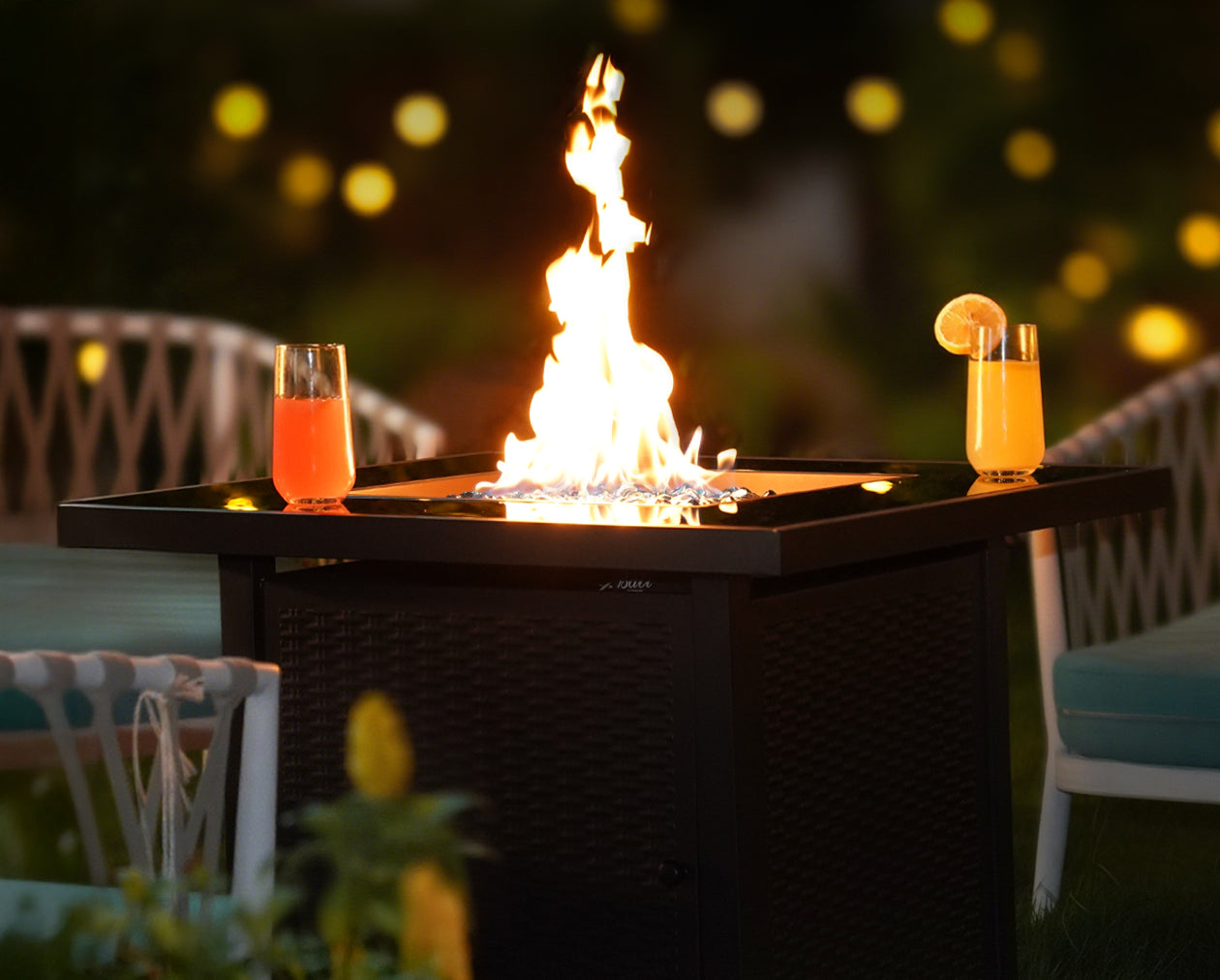


Fire pits and fire tables bring atmosphere, warmth, and social connection to outdoor living. A wooden deck may seem like the perfect stage for these moments, yet wood and open flames require careful balance. The rules below give you a clear and safe way to enjoy fire features on your deck without putting your home or family at risk.
Rule 1: Confirm Your Deck Structure Can Handle the Weight
Before adding any fire feature, you must think about whether your deck can bear the stress. The weight of a fire table or a portable fire pit is not the same as that of a chair or a barbecue grill, because the pressure sits on one concentrated spot.
Check the Overall Load Capacity
Most residential decks are built to hold people and light furniture, not heavy stone or steel fire features. A typical propane gas fire table may weigh between 70 and 150 pounds, and stone-clad designs are heavier still. Once fuel and accessories are added, the concentrated load can approach the safe limit of a joist section.
Consider the Concentrated Pressure
Unlike evenly spread furniture, a fire pit creates a direct point of stress. The beams and joists right below the unit carry the entire weight, and if the pit is near a weak joint, sagging or long-term damage may follow. Reinforcement or a bearing pad may be required.
Evaluate Heat Effects on Structure
Heat weakens wood over time. Consistent exposure dries the fibers, leading to cracks, warping, or soft patches. If you have already noticed weathering on your boards, handle repairs before placing a fire feature there.
A strong structure is the foundation of safe fire use. Checking capacity early prevents future problems that are harder to correct.
Rule 2: Always Use a Deck Protector Under Fire Pits or Fire Tables
Deck protectors act as a barrier between heat and wood. They prevent burn marks, cracks, and long-term deterioration. Skipping this step risks both safety and the appearance of your deck.

Different Protector Materials and Their Benefits
- Heat-resistant mats use fiberglass, silicone, or composites to absorb radiant heat and are easy to move.
- Metal trays catch ash and sparks but can grow hot during long fires, so they must be handled carefully.
- Stone or paver bases look natural and spread weight evenly while providing strong protection.
Why Skipping a Protector Is Risky
Even propane gas fire pits give off radiant heat that can discolor wood. On the deck, fire pit setups without barriers often leave burn rings or surface cracks. Fire safety advisories consistently highlight the need for a protective layer under any heat source.
Placement and Maintenance Tips
Choose a protector that extends beyond the pit's footprint so shifts do not expose bare wood. Clean it regularly to remove grease or debris that might ignite. Replace worn mats quickly, and make sure the product is rated for at least 500–600°F of radiant exposure.
A protector costs little compared to repairing or replacing deck boards. It is one of the easiest and most effective safeguards. For more details, see our guide on fire pit clearance requirements.
Rule 3: Choose Propane Gas Fire Pits Over Wood Burning Options for Deck Safety

Not all fire pits are equal in safety. Propane gas fire pits offer steady flames with fewer sparks and much less smoke, making them the safer option for a wooden deck.
Advantages of Propane Gas Fire Pits
Propane gas models give you precise control over flame height and heat with a simple adjustment. They keep the air clear of smoke, prevent sparks from flying onto boards or furniture, and burn clean fuel that leaves no messy residue. Keeping propane cylinders upright in a ventilated space and checking hoses with soapy water ensures safe operation.
Risks of Wood Burning Fire Pits
Wood sparks can travel several feet and may land on cushions, clothing, or nearby plants. Ash builds up quickly, creating a mess and raising fire risk. Portable fire pit designs that burn wood sometimes shift slightly, stressing deck surfaces unevenly. Many jurisdictions now restrict wood burning on elevated decks, allowing only certified gas appliances.
Hybrid and Alternative Options
Some homeowners prefer propane fire tables for decks that double as dining furniture. Gel or ethanol burners provide smaller flames with a decorative touch. Smokeless wood pits cut down on smoke but do not remove the danger of flying embers.
Choosing propane gas is a practical way to enjoy flames without the hazards and cleanup that come with wood. For more details, see our guide on propane fire pit installation guide.
Rule 4: Maintain a Safe Distance from Railings and Walls
Placement is just as important as design. A fire pit or fire table should always be positioned with generous clearance so heat and sparks cannot reach flammable surfaces.
Recommended Clearance Distances
Follow the manufacturer's manual first. If no numbers are given, use or exceed these baseline values:
| Fire Feature Type | Minimum Clearance From Walls | Minimum Clearance From Railings | Overhead Clearance |
| Propane Gas Fire Pits | 4 feet | 4 feet | 7 feet or more |
| Fire Tables | 4 feet | 4 feet | 7 feet or more |
| Wood Fire Pits | 6 feet or more | 6 feet or more | Open sky preferred, 10 feet clear recommended |
Why Distance Matters
Heat rising from a pit can blister paint or siding, while sparks may ignite fabrics or cushions. Too little space not only risks fire but also makes sitting around the pit uncomfortable.
Practical Setup Ideas
Arrange seating in a semi-circle with open paths so people can move freely. Mark the safe zone with outdoor rugs or furniture layout to remind everyone where the pit should stay. Always keep a UL-listed ABC fire extinguisher close, and check propane fittings with a soap solution before lighting.
Good spacing protects both your home and your guests, giving everyone the freedom to relax around the flame. For more details, see our guide on fire table safety on composite decks.
Rule 5: Follow Local Fire Regulations to Avoid Fines
Fire safety goes beyond personal choices. Local rules often set limits on what is allowed on a deck, and ignoring them can lead to penalties or denied insurance claims.
Common Local Requirements
- Some communities ban wood-burning fire pits on decks altogether.
- Permanent propane gas fire tables may require a permit or inspection.
- Open flames are often restricted during dry or windy conditions.
- Specific clearance distances can be written into building codes.
How to Stay Informed
The easiest way to stay compliant is to check your city or county website. Local fire departments can also provide guidance tailored to your area. If you live in a managed community, review homeowner association rules, which may be stricter than city codes.
Why Compliance Matters
Fines range from small warnings to hundreds of dollars, and breaking rules may void insurance coverage. Beyond the legal side, respecting regulations builds trust with neighbors who may worry about fire risk.
Following regulations keeps your fire pit evenings free from stress and ensures you can keep enjoying them season after season.
Enjoy the Warmth of a Fire Pit Safely on Your Deck
A wooden deck can be a safe and comfortable place for gathering if you approach fire features with care. By checking structural strength, adding a protective base, choosing propane gas over wood, respecting safe distances, and following local codes, you create a space where flames are both beautiful and secure. With thoughtful setup, the fire on your deck becomes not a hazard but a highlight of your outdoor living.

4 FAQs about Deck Fire Pit Safety
Q1: How often should a deck be inspected if a fire pit is used regularly?
A deck with a fire pit should be checked once or twice a year. Inspect the boards directly beneath and near the fire pit for dark stains, cracks, or softness. Also, check the joists and beams below the surface for any damage. A professional inspection every few years can help identify larger issues. Fixing problems early prevents small concerns from becoming costly repairs.
Q2: Do propane fire tables for decks need special ventilation under the boards?
Most fire tables designed for decks sit off the ground on legs, which allows airflow beneath the burner. The deck boards themselves do not usually require additional ventilation holes, but it is important to ensure airflow around the propane tank or gas line. Blocking the space under a fire table can cause heat to build up and lead to damage. An open setup with unrestricted airflow at the base helps maintain both safety and comfort.
Q3: How can deck boards be protected from grease stains from a fire pit?
Grease spots may appear when roasting marshmallows or snacks, even with a safe propane fire pit. Protect deck boards by placing a removable drip tray or pan underneath the cooking area. Cleaning it after each use prevents buildup that could ignite later. Reapplying an outdoor finish to deck boards once a year also reduces stain absorption and keeps the deck looking clean.
Q4: What routine checks should be done before lighting a propane fire pit on a deck?
A short routine before lighting prevents many accidents. Confirm the mat or stone base is in place and intact. Make sure seating and furniture are outside the safe zone. Inspect propane hoses for cracks and fittings for leaks with a quick soap solution test. Taking five minutes to inspect conditions can save hours of trouble later.