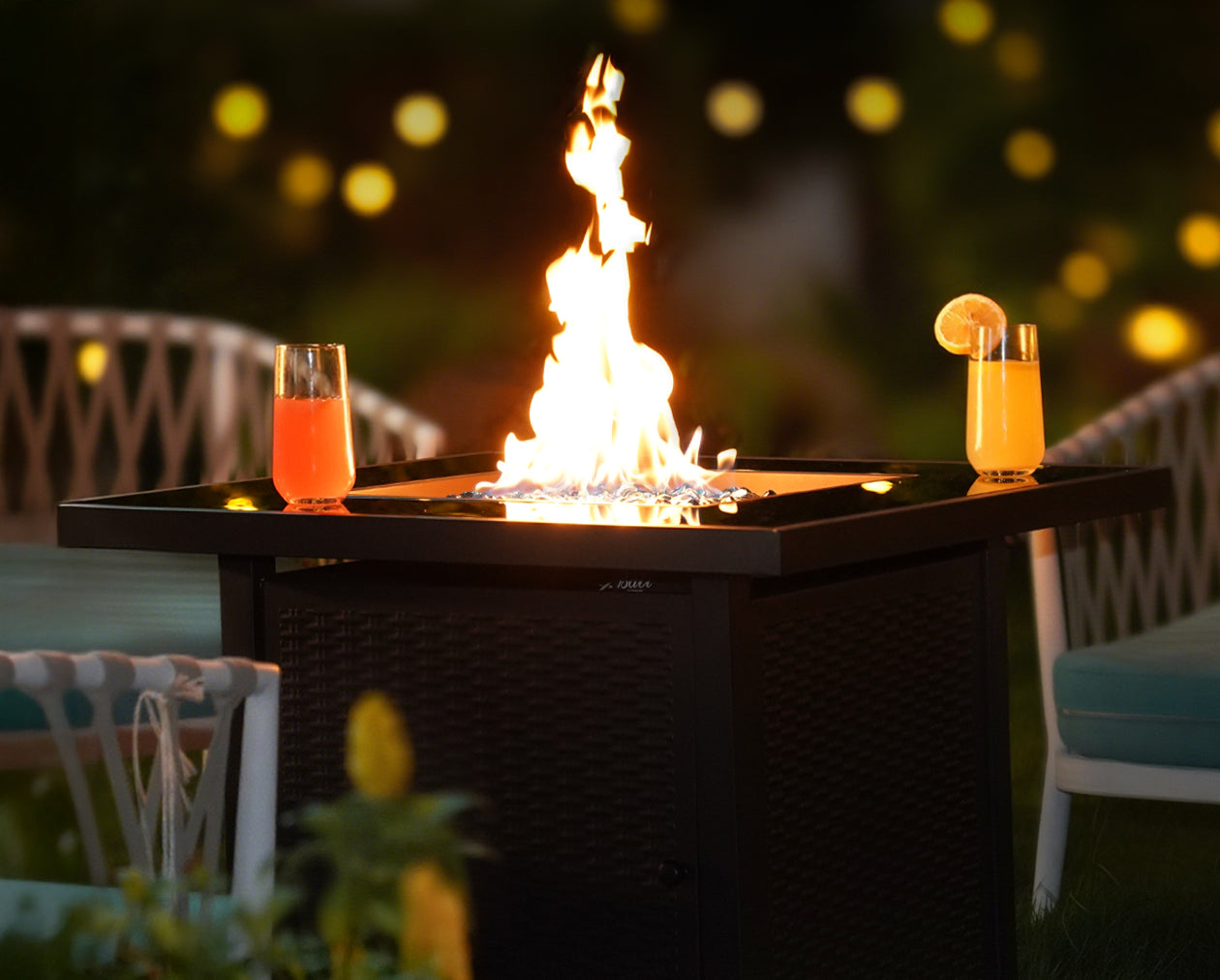

Patio heaters are a staple for outdoor living. They make cool evenings comfortable, extend the use of patios, and create an inviting space for friends and family. Many homeowners assume that once a heater shows problems, replacement is the only option. The truth is that repair is not only possible but often simple, inexpensive, and safe when done correctly. With patience and the right approach, a propane patio heater or gas patio heater can last far longer than expected. This guide follows a clear step sequence, offering practical ways to solve common issues without waste.
Step 1: Check the Pilot Light and Igniter on a Gas Patio Heater
A heater that will not light often signals a minor problem. The ignition system is the first place to look because without a steady pilot flame, the burner will never start. Addressing this issue restores function in many cases.
Inspect the Igniter Button
Press the igniter several times and listen carefully. A healthy igniter clicks and produces a visible spark near the pilot tube. If there is no spark, check the igniter battery. Replace it with a fresh one and confirm that the wire connections are firm. Loose wires can prevent the circuit from completing.
Examine the Pilot Tube
Dust, spider webs, and soot can block the small opening in the pilot tube. If blocked, gas cannot flow to create the flame. Use compressed air to clear the opening. If stubborn debris remains, gently use a thin wire to loosen buildup, being careful not to enlarge the hole.
Confirm the Gas Flow
Even a working igniter cannot light a pilot without fuel. Check that the propane tank valve is fully open and the regulator is connected tightly. Apply soapy water to the connection. If bubbles appear, the seal is leaking and must be tightened or replaced. Never attempt to light the heater until leaks are fixed.
Crucially, never test the ignition system while the gas valve is open; always shut off the gas supply first to avoid accidental fire hazards.
Step 2: Clean the Burner and Gas Line on a Propane Patio Heater
A heater may light but produce only a weak or uneven flame. In this case, the burner or gas line may be obstructed. Cleaning restores the flame and ensures efficient heating.
Remove the Burner Screen
Most heaters include a protective screen over the burner to prevent debris from falling in. Remove the screen and inspect it. Use a soft brush to clean dust and a cloth to wipe off soot.
Clear the Burner Holes
Each hole around the burner ring must be open. If clogged, the flame weakens or lifts. Use a pin or thin needle to gently clear the holes. Avoid force that could deform them.
Flush the Gas Line
Disconnect the gas line from both the heater and the tank. Use compressed air outdoors to blow through the hose until clear airflow is visible at the other end. Never blow directly into the regulator or use high pressure that may damage fittings. If heavy rust or oil residue is visible, replace the hose.
Step 3: Identify Your Model and Parts Using Patio Heater Reviews and Manuals
Sometimes cleaning is not enough and a part must be replaced. Success depends on selecting the correct part for your heater model. Without this step, money and time may be wasted.
| Component | Common Failure Clues | Replacement Notes |
| Igniter | No clicking or no spark | Confirm battery condition first |
| Regulator | Flame surges or fades | Match regulator to tank size and heater model |
| Thermocouple | Pilot flame goes out quickly | Choose correct length and fitting style |
| Burner | Uneven flame pattern | Match diameter and hole layout to original |
The model and serial number are typically printed on a rating plate or label at the base. Keep a record of these details. When searching for replacement parts, consult manuals or reliable patio heater reviews. Many manufacturers also list parts on official websites. If uncertainty remains, customer support can confirm compatibility before you order.
Step 4: Test the Tilt Switch on a Tabletop Patio Heater
The tilt switch is one of the most important safety features in modern patio heaters. It automatically cuts the gas flow if the unit tips over. Regular testing ensures that it functions when needed.
How the Tilt Switch Works
Most switches use a ball bearing or pendulum mechanism. As the heater leans beyond a safe angle, usually between fifteen and forty-five degrees, the mechanism shifts, breaking the circuit and stopping gas flow.
Testing Procedure
Light the heater and allow it to stabilize. Gently tilt the unit within the safe range noted in the manual. A functioning tilt switch extinguishes the flame immediately. Perform the test outdoors and avoid tilting too far.
Replacing the Switch
Tilt switches are inexpensive and simple to replace. Purchase one specified for your tabletop patio heater or freestanding model. Always shut off the propane supply before opening the housing. Match wiring carefully to the original connection. After replacement, relight the heater and repeat the tilt test to confirm proper operation.
Step 5: Call a Pro for Complex Gas Patio Heater Issues
Homeowners can handle many problems, but not all are safe for DIY fixes. Calling a professional ensures family safety and proper operation when the following issues occur:
- Continuous gas odor even after tightening fittings
- Visible frame damage or signs of structural instability
- Electrical malfunctions beyond the igniter battery
- Repeated failure of the same component after replacement
Trained technicians can test appliances under pressure, inspect regulators, and resolve major mechanical issues. Professional servicing also protects warranties and ensures compliance with local safety laws. For households that rely heavily on outdoor heating, a professional inspection every few years offers extra peace of mind.

Keep Your Patio Warm and Safe
Repairing a patio heater is easier when done step by step. Start with basic tasks such as lighting the pilot flame and checking the tilt switch. Following a systematic approach increases confidence and extends the life of the heater. A mini tabletop patio heater works well for small spaces, while a large propane heater is perfect for gatherings without running out of fuel. Regular cleaning, proper storage, and timely replacement of parts will help your heater last longer and provide warm outdoor nights without the need to buy new equipment.