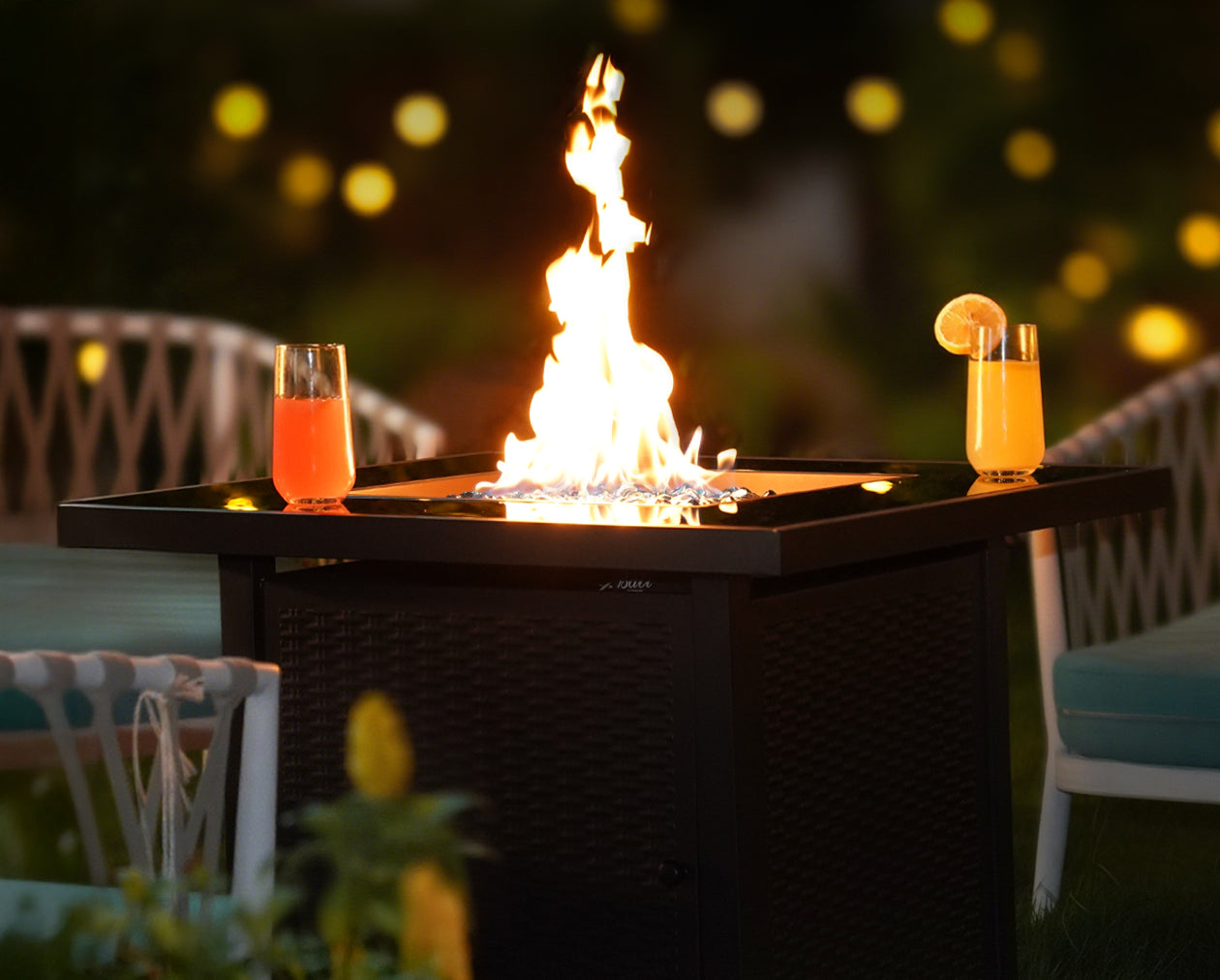


There is something irresistible about cooking over an open flame. A fire pit that usually warms your evenings can also transform into a place where food takes on smoky richness. With the right approach, your backyard fire pit can double as a gourmet grilling station, serving meals that rival any barbecue setup.
The Charm of Fire Pit Cooking
Food tastes different when it meets wood smoke. A fire pit brings a rustic element to dining, combining comfort and flavor in a way that draws people together. Friends gather closer, laughter mixes with the crackle of logs, and the simple act of cooking becomes an experience worth remembering.
Why a Fire Pit Is Different from a Standard Grill
- The heat is less predictable, so every cookout feels unique.
- Wood smoke creates flavors that gas grills cannot replicate.
- A fire pit is both a source of warmth and a cooking tool.
Cooking over a fire pit blends function with atmosphere, making it more than just outdoor dining.

Surprising Foods That Taste Better on a Fire Pit
Most people think of burgers and hot dogs, yet the fire pit can handle so much more. Certain foods actually taste better when grilled directly over open flames, and these surprises often become the highlights of the evening.
Grilled Pineapple with Caramelized Edges
The natural sugar in pineapple reacts beautifully with a fire pit grill grate. A few minutes on each side leaves golden sear marks and a smoky sweetness that works well as both a side dish and a dessert.
Soft Cheese That Melts into Perfection
Cheeses like brie or camembert wrapped in foil and placed near the coals melt slowly into creamy goodness. Spread over bread, it turns into an indulgent starter that pairs well with wine or cider.
Fresh Vegetables with Smoky Depth
Zucchini, bell peppers, and corn gain bold flavor when grilled on a fire pit cooking grate. The char adds texture and contrast, turning even simple vegetables into dishes that feel special.
Seafood That Stays Juicy
Shrimp skewers, salmon fillets, or mussels in foil packets all adapt well to fire pit grilling. Seafood cooks quickly and absorbs the smoky notes, making it a lighter yet flavorful option.
Sweet Treats like Marshmallow Sandwiches
Classic marshmallows take on new life when combined with cookies or chocolate pieces. The fire pit becomes a dessert station, where everyone can customize their creation.
These unexpected foods show how a BBQ on fire pit setup can surprise guests with flavors beyond the standard cookout. Browse our grilling accessories to find the perfect fit for your outdoor space.
Choosing the Right Tools for Fire Pit Cooking
Once the menu sparks excitement, attention turns to the tools. The choice between a fire pit cooking grate and a fire pit grill grate shapes the way food cooks and tastes.
| Tool | Best For | Benefits | Considerations |
| Fire Pit Cooking Grate | Versatile meals | Allows pots, pans, foil packets | Less direct sear on meat |
| Fire Pit Grill Grate | Classic barbecue | Distinct grill marks and smoky flavor | Requires more attention to avoid sticking |
Having both grants available gives you flexibility. For meats and vegetables, the grill grate works best. For cheese, seafood, or delicate items, the cooking grate offers more control. Cooking tools influence results, and matching the right grate with the right food makes the process smoother. For more details, see our guide on fire pit cooking recipes and safety.
How to Control Heat for Perfect Results
A fire pit produces varying levels of heat, unlike a gas grill with knobs. Controlling that heat is part science, part art. With practice, you can achieve beautiful sears and consistent cooking results.
Building Zones of Heat
- Place more wood in one section for a high-heat zone.
- Keep a smaller bed of coals for medium heat.
- Leave one side with minimal embers for gentle warming.
Using Height Adjustment
Some fire pit grates allow height changes. Lifting food higher prevents burning, while lowering it creates stronger sears.
Watching the Flame and the Coals
Flames give quick heat but can scorch. Glowing coals provide steadier, more even cooking. The timing of when to place food makes a big difference.
Turning and Resting Food
Rotating food across zones helps balance doneness. Resting meat away from direct heat keeps it juicy without overcooking.
Managing heat this way allows a BBQ fire pit to perform almost like a professional grill. For more details, see our guide on winter stews and soups on a fire pit.
Safety Steps That Keep Fire Pit Barbecues Fun
Cooking over open flame adds both charm and risk. Safety preparation ensures that meals end in enjoyment rather than accidents.
- Keep a Class ABC fire extinguisher, a bucket of sand, or a snug-fitting metal lid nearby. Avoid pouring water directly on hot cast iron or stone, as the shock can cause damage.
- Use long-handled tools and heat-resistant gloves when adjusting a fire pit cooking grate or a fire pit grill grate.
- Maintain a clear ring around the pit and supervise children and pets at all times.
- Respect local burn rules and pay attention to wind conditions.
- For food safety, use a thermometer: poultry should reach 165°F (74°C), whole fish 145°F (63°C), and ground beef 160°F (71°C).
These habits reduce risk and make the entire BBQ fire pit experience safer and more relaxed. For more details, see our guide on grilling safety essentials.
Cleaning and Caring for Your Fire Pit Grate
Cooking leaves behind grease, ash, and food residue. Proper care of the fire pit grill grate makes future cooking easier and prolongs the tool's life.
Cleaning Steps after Cooking
- Let the fire die down until the grate is cool enough to handle.
- Brush away food particles with a stiff wire brush.
- Wash with warm water and mild soap if heavily soiled.
- Dry completely to prevent rust.
- Lightly oil the grate before storing.
Regular maintenance prevents sticking and ensures the next cookout begins with a clean surface. Keeping the grate in good shape also helps flavors stay pure for every BBQ on fire pit session.

Gather Around the Fire and Enjoy the Feast
A fire pit meal is more than food on the table. It is the glow of the flames, the smell of smoke, and the shared time that make each gathering memorable. With fresh ingredients, the right grate, and a mindful approach to safety, every evening around the fire can feel special. Invite friends, cook slowly, and let the fire pit become the center of good food and easy conversation.
4 FAQs about Fire Pit Cooking
Q1: Can any type of wood be used for cooking on a fire pit?
Not every kind of wood is safe or pleasant for cooking. Hardwoods such as oak, maple, hickory, and fruitwoods are the best options because they burn steadily, produce consistent heat, and provide clean, flavorful smoke. Softwoods like pine or cedar contain high levels of resin, which can create excessive smoke, unpleasant flavors, and even harmful substances when burned. For cooking purposes, hardwoods are always the recommended choice.
Q2: Is it safe to use lighter fluid to start a fire pit for cooking?
Using lighter fluid is not recommended for cooking fires. The chemicals can leave residues on food and produce unpleasant odors. A safer method is to use natural fire starters such as dry kindling, food-safe fire cubes, or hardwood sticks. If an accelerant is necessary, choose products specifically labeled for cooking, and wait until all traces of fluid have burned away before placing food on the grate.
Q3: Can cast iron cookware be used directly on a fire pit?
Cast iron cookware is excellent for fire pit cooking because it withstands high heat and distributes it evenly. Dutch ovens and skillets can be placed directly on a fire pit cooking grate. The main considerations are weight and care: cast iron is heavy, so heat-resistant gloves are necessary when moving it. After use, it should be cleaned, dried thoroughly, and coated with a thin layer of oil to prevent rust.
Q4: How should leftover ashes from a fire pit be handled?
Ashes should only be removed once they are completely cool. The best practice is to place them in a metal container with a secure lid. Never use plastic containers, as hidden embers can melt or ignite them. Some wood ash can be recycled as garden fertilizer because it contains calcium and potassium, but it is not suitable for acid-loving plants. Disposal should always follow local waste management rules.