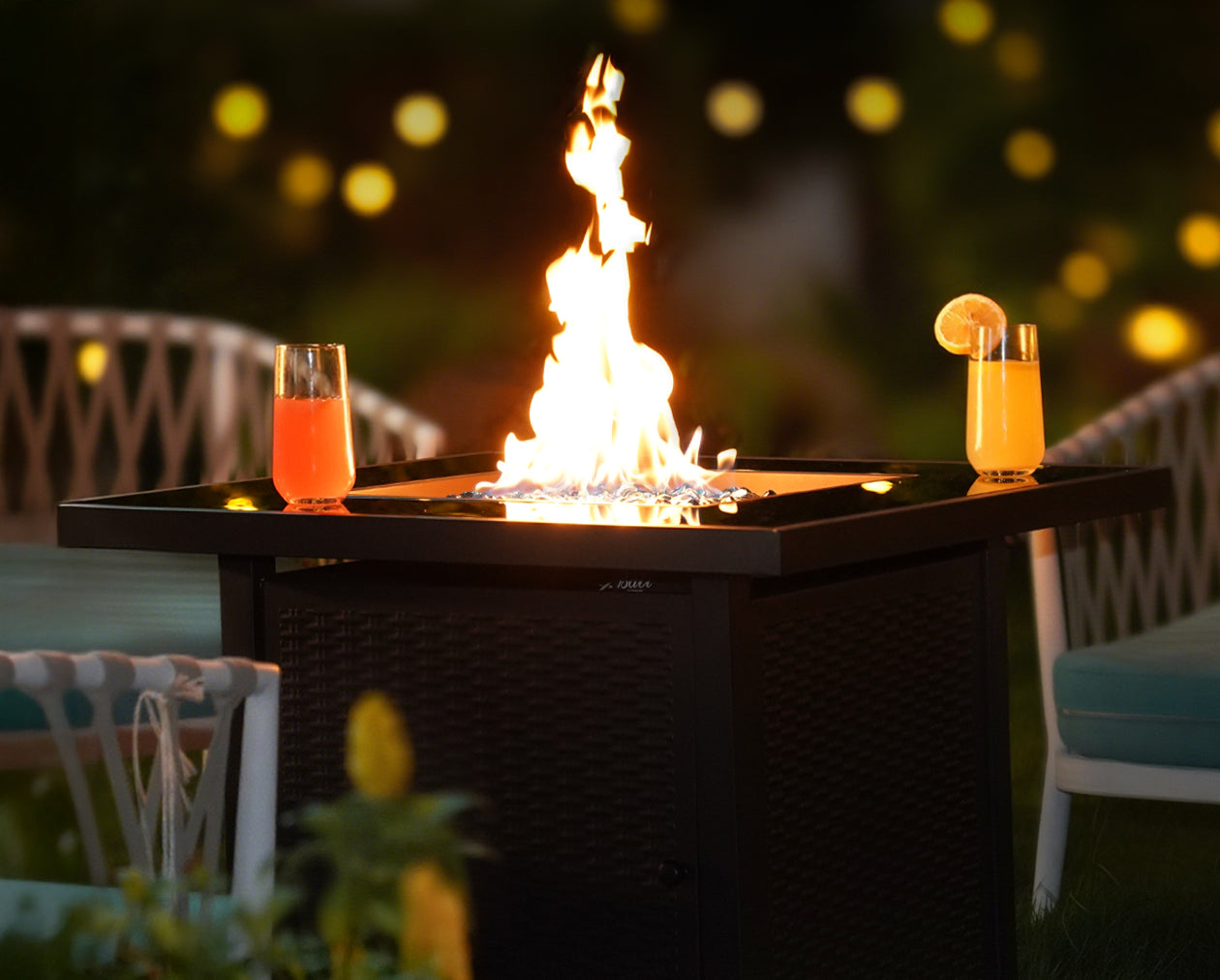

Winterizing Your Fire Table Surface to Prevent Damage
As the temperature drops and outdoor living spaces transition into their dormant phase, homeowners with small patios or balconies face a specific challenge: preserving their investment against the elements. A fire table is often the centerpiece of these intimate outdoor settings, providing warmth and aesthetic value. However, the combination of metal, stone, and gas components makes these units vulnerable to winter's harsh cycle of moisture, freezing, and thawing.
Proper off-season preparation is vital for fire tables in small outdoor spaces. Failing to winterize correctly can lead to structural rust, unsightly surface degradation, and internal component failure. This guide provides a methodical, expert-led approach to cleaning, drying, and protecting your fire table, ensuring it remains a reliable source of comfort for years to come.

Understanding Material Vulnerabilities
Different fire table surfaces react uniquely to winter conditions. Whether your unit is constructed from powder-coated steel, aluminum, or features a stone-look finish, understanding the underlying material is the first step in effective preservation.
Powder-Coated Steel vs. Aluminum
Most durable fire tables, such as the 28 Inch Propane Fire Pit Table, Black, utilize high-quality metal with protective coatings. Aluminum is naturally more resistant to corrosion, but it can still suffer from "white rust" (oxidation) if salt or acidic debris sits on the surface for months.
Steel, while incredibly sturdy, relies entirely on its powder coating for protection. If this coating has micro-fissures—often invisible to the naked eye—moisture will penetrate to the base metal. Once moisture reaches the steel, the oxidation process (rust) begins, often bubbling the finish from the inside out.
Stone and Composite Finishes
Stone-look or tiled surfaces, like those found on the 30 Inch Propane Fire Pit Table for Outdoor, Black, are porous. In freezing temperatures, moisture trapped within these pores expands as it turns to ice. This expansion can cause "spalling" or cracking of the decorative surface.
Logic Summary: Our maintenance heuristics are based on common patterns from customer support and warranty handling. We observe that surface failure is rarely caused by the cold itself, but by the mechanical expansion of trapped water during freeze-thaw cycles.
| Material Type | Primary Winter Risk | Recommended Protective Action |
|---|---|---|
| Powder-Coated Steel | Hidden rust under coating | Automotive wax barrier + Vented cover |
| Aluminum | Pitting and oxidation | pH-neutral cleaning + Dry storage |
| Stone/Tile | Cracking and spalling | Deep drying + Breathable sealant/cover |
| Burner Components | Port blockage from debris | Compressed air clearing + Burner lid |
The Deep Cleaning Protocol
Before applying any protectants, the unit must be clinically clean. Residual soot, bird droppings, or even fallen leaves can become acidic when wet, eating through protective finishes over several months.
- Remove the Media: Carefully remove glass beads or lava rocks. Place them in a sturdy bucket and wash them with a mild dish soap solution to remove soot buildup. According to the Environmental Protection Agency (EPA), maintaining clean equipment is essential for efficient combustion and minimizing smoke or odors when you restart the unit in spring.
- Surface Scrub: Use a soft microfiber cloth and a solution of warm water and pH-neutral soap. Avoid abrasive pads or harsh chemicals (like bleach or ammonia), which can strip the UV-protective layer of the powder coating.
- Inspect for Damage: While cleaning, look for chips in the paint. If you find exposed metal, use a manufacturer-approved touch-up paint to seal the area before winter storage.
The Critical "48-Hour Rule" for Drying
A common but critical mistake is covering a fire pit table while the internal burner tray or gas line connections are still damp from cleaning or condensation. This accelerates corrosion unseen beneath the cover.
Practitioners emphasize the '48-hour rule': after a final rinse, let the unit air-dry in a shaded, breezy area for two full days. Moisture often hides in the "folded" edges of the metal frame or inside the burner ports.
For propane units, use a can of compressed air to blast moisture from the burner ports and the regulator cavity. This ensures that when you seal the unit for winter, you aren't trapping water in the very places that are most susceptible to rust.

Methodology Note: The 48-hour drying heuristic is derived from observed evaporation rates in typical outdoor humidity (40-60%). In coastal or high-humidity environments, this period should be extended to 72 hours to ensure total moisture elimination.
Applying Protective Barriers
Once the unit is bone-dry, applying a physical barrier can significantly extend the lifespan of the finish.
The Automotive Wax Advantage
For powder-coated steel surfaces, a light application of a high-quality automotive wax (not a silicone-based protectant) creates a superior barrier against moisture penetration compared to simple sprays. Silicone products can sometimes leave a sticky residue that attracts dust or, in some cases, can trap moisture against the metal if not applied perfectly. A carnauba-based wax fills the microscopic pores of the powder coating, causing water to bead and roll off rather than sit.
Protecting the Burner
If your fire table includes a metal lid or cover for the burner area, use it. This provides a secondary layer of protection under your main fabric cover. For wood-burning units like the 28 inch Wood Fire Pit Outdoor, Black, ensure the removable ash tray is completely emptied and wiped down with a light coat of vegetable oil to prevent the raw metal from rusting during the damp winter months.
Selecting the Right Cover: Avoiding the Greenhouse Effect
The quality of your winter cover is just as important as the cleaning process. A low-quality, non-breathable plastic tarp can actually do more harm than good.
The Importance of Ventilation
Non-vented covers create a "greenhouse effect." During the day, the sun warms the air trapped under the cover. At night, as temperatures drop, this warmth condenses into moisture directly onto the metal surfaces. This daily cycle of condensation is a prime driver of "mystery rust."
The 32 Inch Fire Pit Cover, Brown is an example of a high-performance solution. It uses 600D polyester fabric which is water-resistant but designed to allow for air circulation.
Key Cover Features to Look For:
- Vented Design: Look for built-in mesh vents that allow moisture to escape.
- Heavy-Duty Fabric: 600D polyester or higher is typically thick enough to resist tearing from ice or heavy snow.
- Secure Fastenings: Elastic hem cords or buckle straps are necessary to prevent the cover from catching wind and acting like a sail on a small balcony.

Gas System and Tank Safety
Winterizing isn't just about the surface; it’s about the fuel system. Safety should always be the priority when handling gas components.
Propane Tank Storage
According to the Centers for Disease Control and Prevention (CDC), propane tanks should never be stored indoors, including in a garage or basement. A small leak can lead to a dangerous buildup of carbon monoxide or explosive gas.
If you choose to disconnect the tank and store it outside (away from the fire table), place a moisture-absorbent product, such as a silica gel pack, inside the propane tank compartment of the fire table. Residual humidity in this enclosed space is a common cause of rust on the internal shelving and the regulator.
Burner Maintenance
Before the final cover goes on, ensure the gas valve is in the "OFF" position. It is also recommended to wrap the end of the gas hose (the regulator) in a small plastic bag and secure it with a rubber band to prevent spiders or insects from nesting inside the orifice over the winter.
Trust & Safety Sidebar: For detailed guidelines on outdoor fire safety and maintaining proper clearances from your home's structure (typically 10 feet), consult the United States Fire Administration (USFA).
Winter Maintenance Checklist
To ensure your fire table survives the winter without a scratch, follow this summarized checklist:
- [ ] Clean: Wash all surfaces with pH-neutral soap and water.
- [ ] Inspect: Check for paint chips and apply touch-up paint if necessary.
- [ ] Deep Dry: Allow 48 hours of air-drying; use compressed air on the burner ports.
- [ ] Wax: Apply a thin coat of automotive wax to metal surfaces.
- [ ] Seal: Wrap the gas regulator in plastic to prevent insect blockages.
- [ ] Absorb: Place silica gel in the tank compartment to combat residual humidity.
- [ ] Cover: Use a vented, high-denier polyester cover like the 32 Inch Fire Pit Cover, Brown.
By following these methodical steps, you transition from a "hope for the best" approach to a "guaranteed preservation" strategy. Taking the time to properly winterize your fire table not only protects your financial investment but also ensures that when the first warm evening of spring arrives, your outdoor sanctuary is ready to provide safe, confident comfort.
Disclaimer: This article is for informational purposes only. Always refer to your specific product's owner manual for manufacturer-recommended maintenance. For safety information regarding fire prevention and gas handling, consult local fire authorities or professional technicians.