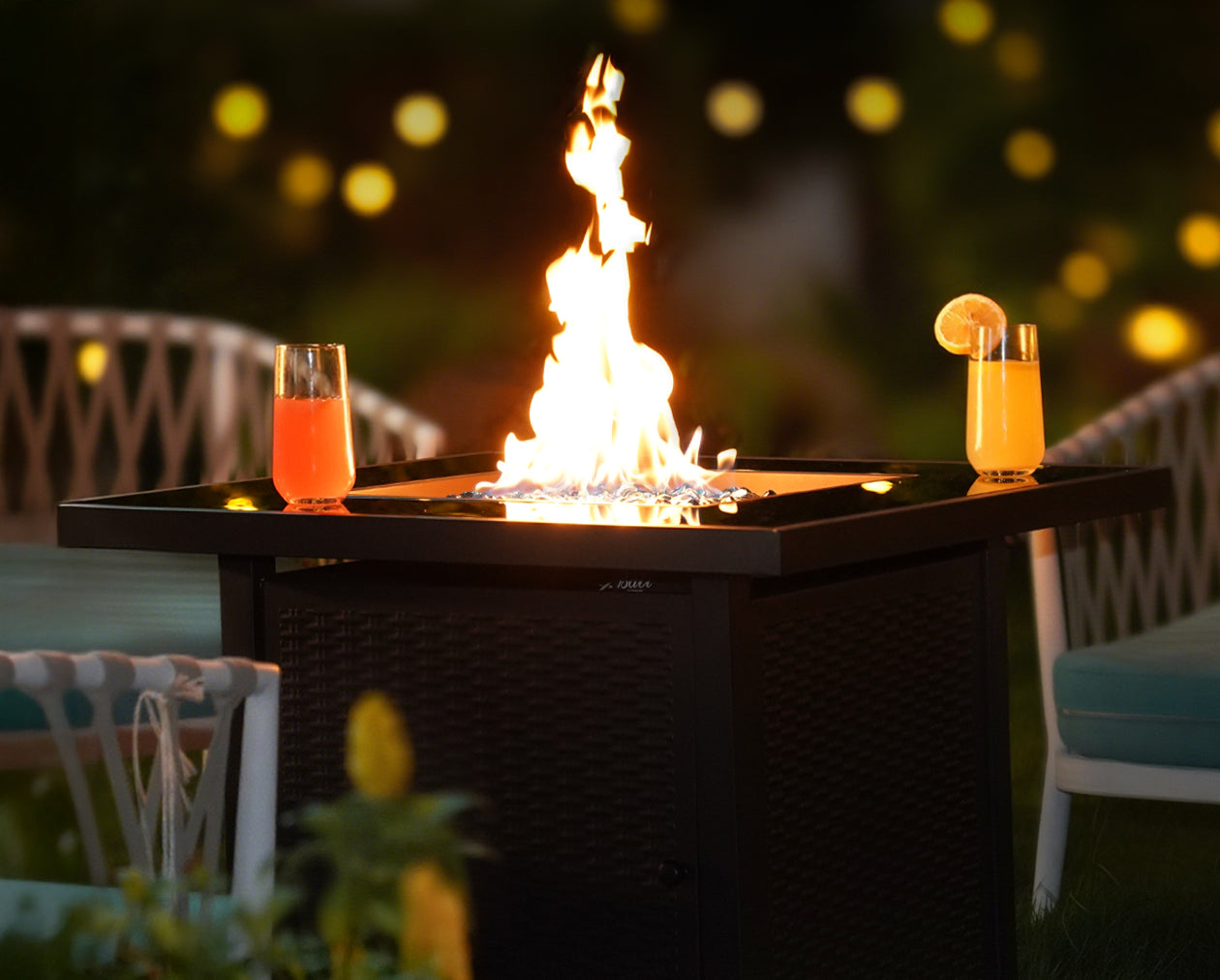

Quick Safety Checklist & Emergency Actions
If you suspect poor airflow or a gas leak, prioritize these immediate steps:
- Check Flame Color: A healthy propane flame is blue with yellow tips. A solid, "lazy" yellow or orange flame indicates oxygen deficiency.
- The "Smell Test": If you smell rotten eggs (raw propane) or a sharp chemical odor (aldehydes), turn off the gas supply immediately. Do not attempt to light the unit.
- Install CO Detectors: Ensure your home is equipped with UL-listed carbon monoxide detectors on every floor and near sleeping areas, especially if using a heater near doors or windows.
- Evacuate if Symptomatic: If you experience headaches, dizziness, or nausea while using a heater, move to fresh air immediately and contact emergency services.
Creating a cozy outdoor retreat often involves adding a heat source, whether it is a wood-burning fire pit or a sleek propane fire table. However, for many homeowners and renters with smaller patios or balconies, the excitement of a new heater can be tempered by concerns about safety and compliance. One of the most critical factors in outdoor heating safety is airflow.
Proper ventilation is a fundamental requirement for the safe operation of any combustion-based appliance. When airflow is restricted, the risks can range from poor heater performance and soot damage to the serious danger of carbon monoxide accumulation. Based on common patterns observed in maintenance and customer support, we have identified key warning signs of poor ventilation to help you recognize issues before they escalate.

The "Enclosed Space" Misconception
A common mistake is the misjudgment of what constitutes an "outdoor" space. Many users believe that as long as they are not inside their living room, they are safely outdoors. However, from a safety engineering perspective, a patio with a solid roof and three walls can be functionally enclosed.
In these "U-shaped" or deeply recessed spaces, air can become stagnant. Without a cross-breeze, the oxygen required for clean combustion can be depleted, and exhaust gases—including carbon monoxide—may begin to pool.
Rule of Thumb: The Draft Heuristic A simple baseline for safety is the "draft test." If you can feel a consistent, natural breeze on your skin while standing at the heater's location, ventilation is likely adequate. If the air feels completely still, the space may be trapping gases, which often necessitates a more open configuration or a lower BTU (British Thermal Unit) unit.
| Space Type | Ventilation Level | Safety Status | Recommendation |
|---|---|---|---|
| Open Deck/Yard | High | Optimal | Suitable for most fire pit types. |
| Pergola (Open Slats) | Moderate | Good | Ensure 10-foot clearance from structures. |
| Covered Patio (1 Wall) | Moderate | Caution | Monitor flame color and odors closely. |
| Covered Patio (3 Walls) | Low | High Risk | Avoid combustion heaters; consider electric alternatives. |
Warning Sign 1: The Yellow or Orange Flame
In a propane-powered unit, such as the 42 Inch Propane Fire Pit Table, Black, the flame should ideally be blue at the base with soft yellow or orange tips. This indicates an efficient burn where the fuel is receiving sufficient oxygen.
If you notice a flame that is consistently and entirely yellow or orange, it is a strong indicator of oxygen deficiency. A "lazy," flickering yellow flame suggests that the burner is struggling to find enough air to complete the combustion process. This can be caused by restricted airflow around the unit or an internal obstruction.
A common issue for propane units is the presence of spider webs or debris inside the burner ports or the venturi tube. Spiders are sometimes attracted to the scent of propane and may spin webs inside the tubes during storage. These webs can disrupt the air-to-gas ratio, leading to poor combustion even in an open space.

Warning Sign 2: Unusual Odors and Leak Detection
While wood-burning units like the 32 Inch Square Outdoor Wood Burning Fire Pit, Black naturally produce a smoky aroma, propane units should be relatively odorless during operation.
If you detect a sharp, pungent "chemical" smell while your gas fire pit is running, you may be smelling aldehydes—a byproduct of incomplete combustion. This is a sign that the air is not circulating enough to carry away exhaust.
Safety First: The Bubble Test Never "sniff test" for leaks by opening the gas valve without ignition. Instead, use a safer "Bubble Test":
- Apply a mixture of dish soap and water to all gas connections and hoses.
- Turn on the gas supply (without lighting the burner).
- If bubbles form, there is a leak. Close the valve immediately and tighten connections or replace the hose.
According to the U.S. Fire Administration (FEMA), maintaining a safe distance and checking for leaks are essential steps in preventing outdoor fire incidents.
Warning Sign 3: Rapid Soot Accumulation
Soot is more than an aesthetic nuisance; it is a physical manifestation of unburnt carbon. In a wood-burning environment, some soot is expected. However, for gas appliances, soot buildup on the lava rocks, fire glass, or the underside of a patio heater’s reflector is a sign of an airflow imbalance.
When combustion is incomplete due to low oxygen, the unburnt carbon in the fuel collects as black, powdery soot. If you find yourself cleaning thick black residue off your 15 Inch Column Round Propane Fire Pit after every use, the unit is likely producing elevated levels of carbon monoxide.
Practical Rule of Thumb: While precise efficiency varies, heavy soot buildup generally indicates that a significant portion of your fuel is being converted into harmful byproducts rather than heat. This shift from CO2 to CO production is a direct result of restricted oxygen supply.
The Invisible Threat: Carbon Monoxide (CO)
The most dangerous aspect of poor airflow is that the primary byproduct—carbon monoxide—is colorless, odorless, and tasteless. According to the Centers for Disease Control and Prevention (CDC), CO is produced whenever fuel is burned in an environment with limited oxygen.
CO Detector Recommendations
Because CO is undetectable by human senses, you should never rely on your "nose" for safety.
- Placement: Install battery-operated or battery-backup CO detectors inside your home on every level.
- Proximity: Ensure a detector is placed within 10-15 feet of any door or window that leads to your patio.
- Maintenance: Test your detectors monthly and replace them according to the manufacturer's schedule (usually every 5–7 years).
Symptoms of CO exposure include headache, dizziness, weakness, and nausea. If you experience these symptoms, extinguish the flame (if safe to do so) and move to fresh air immediately. The National Library of Medicine (MedlinePlus) provides detailed resources on the physiological effects of CO.
Establishing a Safety Buffer: The 10-Foot Rule
To ensure adequate airflow and reduce fire risk, homeowners are encouraged to follow the "10-foot rule" advocated by safety organizations like Ready.gov. This guideline suggests that any fire source should be at least 10 feet away from your home, overhanging branches, or combustible structures.
For those with limited space, a compact unit like the 15 Inch Column Round Propane Fire Pit is often a more appropriate choice than a high-BTU table, as it requires a smaller "clearance envelope." However, even small units should not be used under low ceilings or inside screened-in porches.

Maintenance: The Key to Consistent Airflow
Preventing airflow issues is often a matter of proactive maintenance. We recommend the following checklist before each season:
- Clear the Burner: Use a soft brush or compressed air to ensure all burner ports are free of debris, ash, or insect nests.
- Inspect the Venturi: Ensure the air-mixing tube on gas units is clear of spider webs.
- Check Wood Quality: For wood pits like the 47 inch Wood Fire Pit, Black, only use "seasoned" or dry wood. As noted by the EPA Burn Wise Program, wet wood burns at a lower temperature and creates excessive smoke, which can overwhelm a patio even with moderate airflow.
- Verify Clearances: Ensure that no new furniture or decorations have been moved within the manufacturer’s required safety clearance.
Summary of Safe Practices
Identifying poor airflow requires monitoring your flame color, being alert to unusual smells, and keeping your equipment clean. If you are unsure if your space is safe, always prioritize caution. Move the unit to a more open area or consult a professional technician to evaluate your patio's ventilation. Your comfort should never come at the expense of your safety.
Disclaimer: This article is for informational purposes only and does not constitute professional safety, legal, or fire prevention advice. Always refer to your product's specific user manual and local building codes or HOA regulations before installing or operating an outdoor heating appliance. If you suspect a gas leak or carbon monoxide exposure, contact emergency services immediately.
References
- U.S. Fire Administration (FEMA) - Outdoor Fire Safety
- Centers for Disease Control and Prevention (CDC) - About Carbon Monoxide
- Environmental Protection Agency (EPA) - Burn Wise Best Practices
- Ready.gov - Home Fires Safety Guidelines
- National Library of Medicine (MedlinePlus) - Carbon Monoxide Poisoning