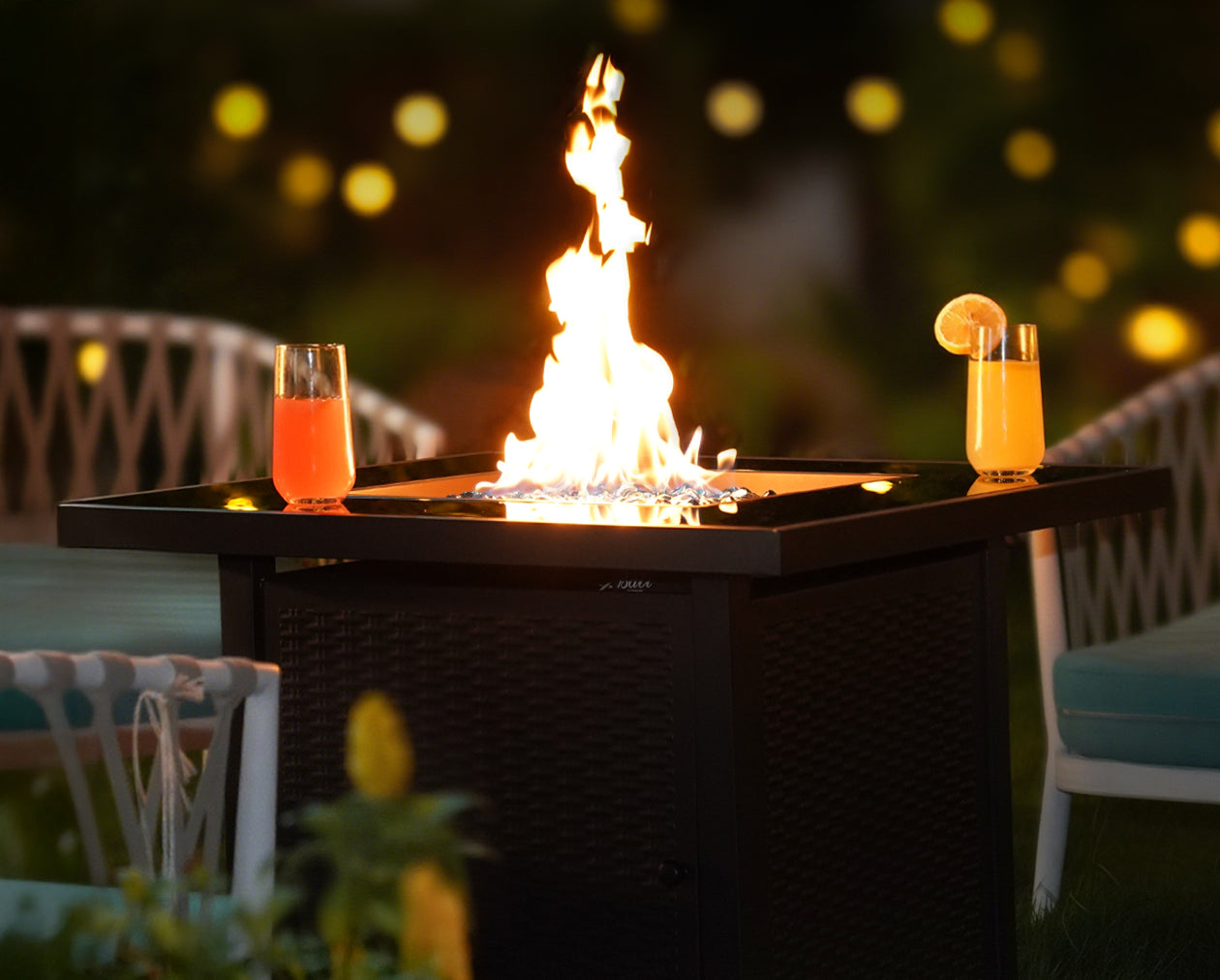


Outdoor living has shifted from a seasonal luxury into a natural extension of the home. A fire table is often the piece that makes a patio, porch, or backyard comfortable year-round. Unlike portable heaters, it brings together warmth, visual appeal, and function. The glow invites people to gather, the heat stretches evenings, and the tabletop design completes outdoor seating areas.
What is a Fire Table
A fire table combines the role of a dining surface with the warmth of a controlled fire. It is more refined than a rustic pit and more social than a plain heater, striking a practical balance of style and comfort.
Designed for Safety, Comfort, and Convenience
- Dual-Purpose Functionality: Effortlessly combines a functional tabletop with a beautiful fire feature, allowing guests to enjoy drinks, snacks, and conversation without losing the warmth and ambiance.
- Controlled and Safe Operation: Built with high-quality stainless steel burners and flame controllers to ensure a steady, controlled flame. A tempered guard adds extra protection for you and your guests.
- Seamless Adaptability: Adjust the flame height to fine-tune the warmth, or use the included lid to cover the burner—instantly transforming the table back into a full, usable surface when the fire is not needed.
More Than a Fire Pit: An Outdoor Centerpiece
While a fire pit is primarily about the flame itself, a fire table takes outdoor living a step further. It combines warmth with a functional surface, making it an essential piece of furniture that naturally fits into your patio layout.
Unlike rustic fire pits, fire tables are designed for safety and integration. Their raised edges, flame shields, and optional glass guards help protect children and pets from the open flame. They seamlessly anchor your outdoor space, turning lounge chairs and sectionals into a cozy gathering spot. This makes the fire table more than just a decorative element; it's a versatile, safe, and functional heart of your outdoor home.
Main Types of Fire Tables and Fuel Options
The first step in finding the perfect fire table is deciding on the right fuel source. Each type comes with a unique blend of convenience, atmosphere, and cost, allowing you to choose the best fit for your outdoor living style.
Propane Fire Tables
Propane fire tables is popular for its easy setup and portability. A 20-pound tank tucks into the base and runs for 8–10 hours on a medium flame. Because no permanent line is needed, propane fire tables suits renters or those who rearrange furniture often. The only drawback is the need for refills.
Natural Gas Fire Tables
Natural gas offers endless burn time once connected to a home gas line. It costs less per hour than propane and needs no tank changes. The compromise is installation: a licensed technician is required, and the table stays fixed in place. This option is best for homeowners planning a long-term setup.
Wood-Burning Fire Tables
Wood-Burning fire tables appeals to traditionalists who love the crackle, smoke, and scent of real logs. These tables usually run larger and more rustic. They demand storage space for wood, frequent ash cleanup, and tolerance for smoke. Local ordinances may also restrict their use, so check before buying.

Ethanol Fire Tables
Ethanol focuses on style and convenience. Small refillable canisters create a clean flame with no smoke or tanks. Their compact size makes them good for balconies or small patios. The trade-off is heat: they are better for ambiance than for steady warmth.
Propane gives mobility, natural gas provides permanence, wood delivers authenticity, and ethanol fits style-first spaces where the flame is mostly for atmosphere.
How to Choose the Right Fire Table
Style matters, but the real test is whether the table works well with your seating and daily routine.
Seating and Size Coordination
- Two lounge chairs: Coffee-height round or square table, 20,000–30,000 BTU. Our fire table height guide covers how to match table height to your existing chairs.
- Sectional setups: Rectangular chat-height table, 30,000–50,000 BTU.
- Dining for 4–6: Long, narrow rectangular fire channel, 30,000–40,000 BTU.
- Large groups: Square or rectangular chat table, 40,000–60,000 BTU, plus a wind guard.
Heat and Comfort
Remember, raw BTU numbers don't tell the whole story. What matters most is the heat you actually feel.
- Most warmth radiates within 2–4 feet of the flame.
- Wind can cut efficiency in half, so use guards if exposed.
- A responsive valve helps fine-tune heat instead of running at maximum output.
Placement Safety
Prioritize safety by choosing the right spot for your fire table.
- Keep at least 3 feet away from walls or railings.
- Check overhead clearance if placing under pergolas or umbrellas.
- Use only on fire-safe surfaces; add heat shields if on wood decking.
Tip: Sizing and safe placement matter more than raw BTU numbers. Choose based on how people actually sit and gather in your outdoor space.
Fire Table Materials Create Your Unique Style
Once you know your fuel and size, materials determine both appearance and upkeep.
| Material | Look & Feel | Strengths | Drawbacks | Best For |
| Concrete | Minimal, modern, bold | Heat-resistant, sturdy | Heavy, may crack if unsealed | Contemporary patios |
| Aluminum | Sleek, lightweight | Rust-proof, easy care | Doesn't hold heat well | Modern decks, balconies |
| Steel | Industrial, strong | Very durable, supports high flames | Needs coating to resist rust | Rustic or urban outdoor spaces |
| Stone / Tile | Natural, customizable | Attractive, weather-resistant | Requires sealing and upkeep | Large patios, luxury settings |
| Wicker+Metal | Casual, cozy | Affordable, easy to move | Wicker weathers over time | Small patios, relaxed settings |
Style Tips:
Beyond durability, your fire table's material sets the perfect mood for your outdoor area. Here are a few tips to help you find a look you love:
- Match cushion fabrics to the table finish for a cohesive look.
- Concrete pairs well with minimalist or industrial designs.
- Stone and tile suit Mediterranean gardens or rustic backyards.
- Aluminum works best on sleek balconies.
Choose a material not only for durability but also for the mood it sets in your outdoor area.

Caring for Your Fire Table: Simple Habits for a Safe and Lasting Experience
Compared to a traditional fireplace, a fire table is remarkably simple to care for. By following a few easy habits, you can keep your table safe and beautiful for years.
Daily Practices
- Wipe surfaces after each use to avoid stains.
- Keep food and drinks away from open flame areas.
- Let the table cool completely before covering.
Weekly / Monthly Care
- Inspect hoses, valves, and ignition parts.
- Refill propane or ethanol before running dry.
- Remove ash if burning wood.
Seasonal Preparation
- Store propane tanks upright in a ventilated shed or garage.
- Seal concrete or stone before winter to prevent cracking.
- Bring aluminum or wicker designs indoors during heavy storms.
Safety Reminders
- Never use indoors or on enclosed porches.
- Keep pets and children at least 3 feet from flames.
- Keep a Class B fire extinguisher within reach.
Regular maintenance keeps the table both safe and attractive for years.
Upgrading Your Outdoor Lifestyle
A fire table does more than warm your patio. It extends living space, sparks conversation, and makes evenings outdoors memorable. With the right fuel, material, and design, your backyard or balcony becomes a place people naturally gather—even when the weather cools. If space is limited, our small patio fire table sizing guide helps you measure your footprint before buying.

4 FAQs about Fire Tables
Q1: Can a fire table be used during windy weather
A: Fire tables work well in a light breeze, but strong winds can make the flame unsteady and reduce the warmth you feel. Many newer designs include glass wind guards that help keep the flame steady and prevent the heat from dispersing. If you are in a very open area, such as a rooftop or a coastal patio, it is best to place the table near a wall or hedge for added comfort and safety.
Q2: Are fire tables allowed in all residential areas
A: Using a fire table is subject to local fire regulations and sometimes to homeowner association rules. Gas-powered units are generally allowed because they burn cleanly and produce little smoke, while wood-burning models face more restrictions. Always check city regulations and HOA policies before purchasing to avoid fines or removal. Safe clearance around the fire and proper ventilation are also required.
Q3: Do fire tables produce harmful emissions
A: Propane or natural gas fire tables burn cleanly, producing mainly water vapor and carbon dioxide. Ethanol models also emit little, though their heat output is lower. Wood-burning tables release smoke and fine particles, which can irritate people with asthma. If clean air is a concern, it is best to choose a fuel that does not produce smoke.
Q4: Are fire tables energy efficient compared to patio heaters
A: Patio heaters have one purpose—to heat. They are better at spreading warmth. Fire tables, however, do two things: they provide heat and create a pleasant atmosphere. They warm a small area of two to four feet, which is usually enough for a small group. Propane and natural gas models give steady and reliable heat, while ethanol models are more about looks than efficiency.