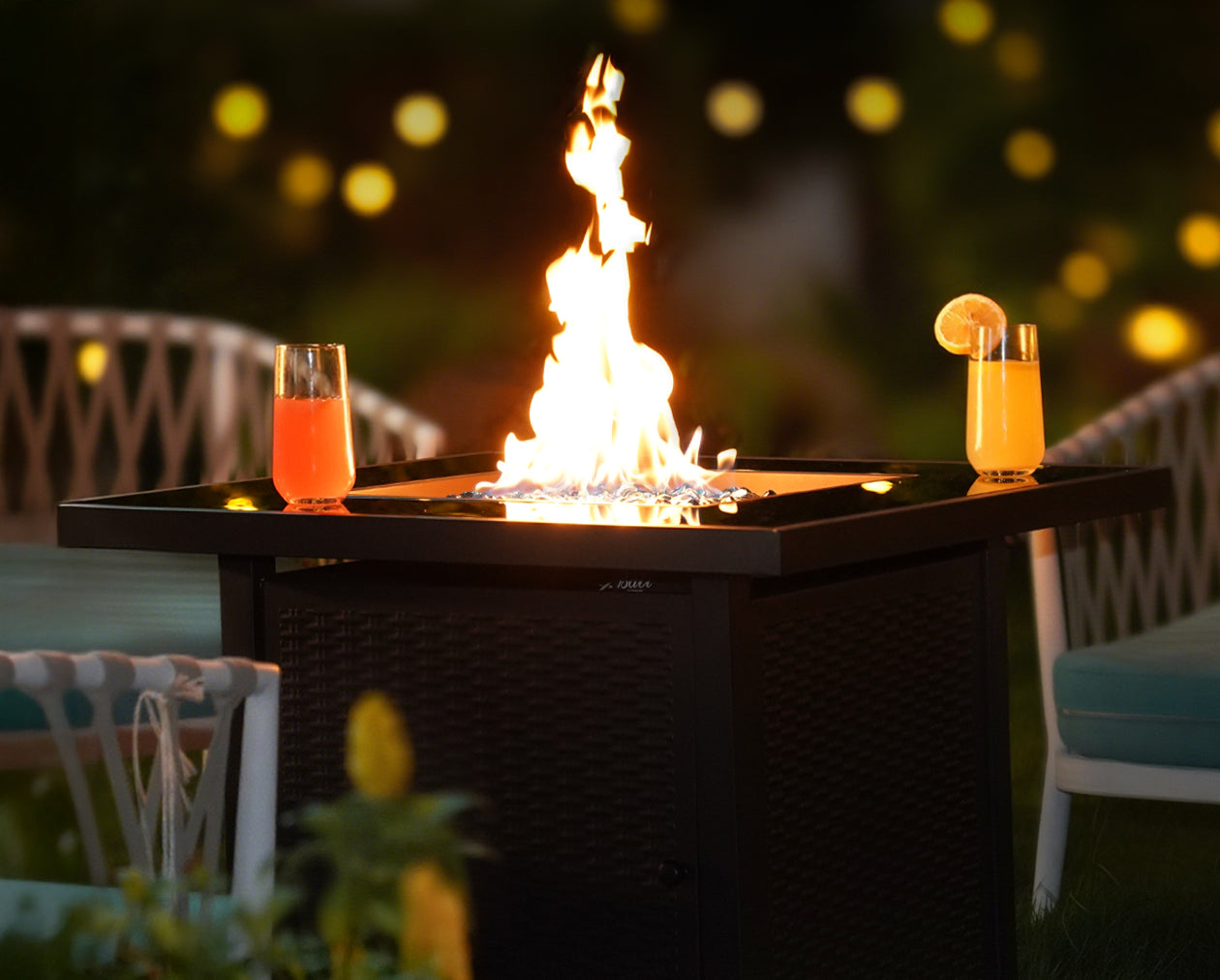


An outdoor patio feels like an extra living room when the weather is right, but cooler nights often cut the experience short. A heater can change that completely. Instead of packing up once the temperature dips, you can keep conversations flowing, enjoy late dinners, or simply relax outside without feeling chilled. The right heater balances power, safety, and style, and with a few clear criteria, you can find one that works for your space.
At Bali Outdoors®, we’ve spent years designing and testing outdoor heating solutions for every type of backyard. Whether you're looking for the best portable propane patio heater for a windy deck or a stylish centerpiece for your next party, this guide will walk you through exactly what to look for based on our engineering experience and customer feedback
Why Your Patio Needs a Heater
There is more to patio heaters than just heat; they allow you to enjoy more time outdoors. Without a heater, most families only use their patios during the peak summer months. With a heater, that season extends into fall and early spring, and even into mild winter days.
Extending the Season of Comfort
Think about those nights when you want to be outside, but the air feels just a few degrees too cold. With a heater on, you can stay under the stars and remain cozy for hours. Many families begin enjoying breakfast on the patio as early as April, or dinner outdoors as late as October—months they once spent indoors.
Creating a Welcoming Atmosphere for Guests
Entertaining becomes easier when the space is warm and inviting. Guests won't rush inside or put on coats if they feel comfortable outdoors. A heated patio can quickly become the go-to spot for gatherings, giving friends a reason to linger over coffee or enjoy a spontaneous evening barbecue.
A heater doesn't just add heat; it enhances your overall living experience by creating a comfortable outdoor retreat right at home.
Choosing a Power Source for Your Patio Heater
The first major choice is fuel. Propane, electric, and natural gas heaters all work well, but each comes with its own trade-offs. Thinking about your space and habits will help you pick the one that fits best.
Propane Patio Heater
Propane patio heaters are popular because they don't rely on outlets or gas lines. A tank can be replaced in minutes, which makes these heaters easy to move from one spot to another.
- Consistent Heat Output: In our field tests, a standard 20-pound tank paired with a 46,000 BTU Bali Outdoors standing heater consistently delivers 8–10 hours of robust heat, easily lasting through a full weekend of evening gatherings.
- Easy Tank Access: Look for designs with a built-in hidden tank chamber—like our easy-door access models—so swapping a spare tank takes seconds without ruining the aesthetic.
- Downsides include fuel costs and carrying cylinders back and forth for refills.
They provide strong output and flexible placement, making them a practical choice for medium to large patios.
Electric Patio Heater
Electric heaters are all about convenience. Just plug them into a standard outlet and switch them on. With no fumes, they're safe for semi-enclosed spaces like screened porches.
- Lightweight and easy to reposition between areas.
- A 1,500-watt model running for hours each night can add to utility bills.
- No tanks, no pilot lights, and almost no maintenance.
They suit smaller spaces or households that value ease of use over fuel flexibility.
Natural Gas Patio Heater
Natural gas heaters stay fixed in place and connect directly to your home's gas line. Fuel is steady and costs less per hour than propane.
- Installation requires a licensed technician to extend the gas line.
- Once installed, you get reliable heat at the turn of a knob.
- They need no tanks or cords, but they cannot be moved.
For homeowners who want a permanent solution and plan to stay put for years, natural gas is often the best investment.
In a word, propane gives mobility, electric offers simplicity, and natural gas provides permanence. For a detailed cost and efficiency comparison, see our electric vs propane heater energy efficiency guide.
Choosing the Right Style for Your Space
Beyond fuel, the physical form of the heater changes how it fits into your patio. The three main categories—standing, tabletop, and pyramid—offer different experiences.
| Style | Best For | Heat Coverage | Size & Storage Needs | Extra Notes |
| Standing Heater | Large patios, group gatherings | 10–15 ft radius | Tall (6–7 ft), needs storage space | Strong output; stable base resists wind |
| Tabletop Heater | Small patios, intimate settings | 2–4 people, close range | Compact; sits on tables | Shorter run times; often doubles as décor |
| Pyramid Heater | Stylish patios, entertaining | Similar to standing type | Tall, slim design | Visible flame adds atmosphere; modern look |
Each style offers a different balance. Standing heaters cover large groups, tabletop heaters create closeness, and pyramid heaters add design app
BTUs and Heat Coverage for Your Patio Size
Heat output is measured in BTUs, or British Thermal Units. The right number ensures your space stays warm without wasted fuel. Too little, and guests still feel cold; too much, and smaller areas become uncomfortably hot.
| Patio Size | Recommended BTUs | Typical Heater Types |
| Small balcony (up to 100 sq. ft.) | 5,000–10,000 | Electric or tabletop |
| Medium patio (100–300 sq. ft.) | 10,000–25,000 | Propane tabletop or compact standing |
| Large deck (300–600 sq. ft.) | 25,000–40,000 | Full standing propane or natural gas |
| Extra-large space (600+ sq. ft.) | 40,000+ | Multiple standing or fixed natural gas |
A quick example: a family with a 250-square-foot deck might choose a 20,000 BTU propane heater, which provides steady warmth without wasting fuel. By contrast, using a 40,000 BTU unit would feel excessive, leaving people uncomfortably close to the flame.
Bali Outdoors® Pro Tip: Wondering how many BTUs do I need for my patio heater if I live in a windy area? Wind can scatter heat quickly. If your deck is exposed, we recommend sizing up your BTUs by 20% or choosing a heater with a large, adjustable reflector dome to direct the warmth exactly where your guests are sitting.
Safety Features to Look For in a Patio Heater
Because heaters combine fire, gas, or electricity with outdoor use, safety should never be treated as optional. Fortunately, modern units include features that reduce risks significantly.
- Anti-Tilt Automatic Shut-off: This is non-negotiable for safe patio heaters for wooden decks. At Bali Outdoors, our heaters are engineered with a highly sensitive tilt valve that instantly cuts off the gas supply if the unit tilts past a 45-degree angle, keeping your family and pets completely safe.
- Stable construction: A wide, heavy base lowers the chance of a heater toppling in the wind. Some owners even add sandbags to the base for extra stability.
- Protective guards: Mesh screens or covers keep hands and clothing away from open flames. This feature is especially important for pyramid heaters with visible fire.
- Weather resistance: Powder-coated finishes, stainless steel components, and outdoor-rated wiring help units withstand rain, humidity, and sun exposure.
A heater that feels safe encourages use. Without these features, people often hesitate to leave the unit running while stepping indoors, which defeats the purpose of having outdoor heat.
Maintenance Tips to Extend the Life of Your Heater
A patio heater is not a set-and-forget purchase. With a bit of regular care, it can perform well for many seasons.
Cleaning and Inspection
Dust and pollen gather fast outdoors. Wipe the exterior every week or two to keep it clean. On gas models, check burners for blockages and inspect hoses or power cords at the start of each season.
Protecting From Weather
Knowing how to clean and store a patio heater is key to its longevity. Rain and snow can accelerate wear. Always use a heavy-duty, weather-resistant cover (check out our custom-fit Bali Outdoors® Heater Covers) to prevent rust. During the off-season, roll your heater into a garage or shed using its built-in wheels.
Fuel and Power Management
Propane tanks should stay upright in a ventilated place, not on damp ground. Electric heaters need outdoor-rated cords, and natural gas systems should be inspected by a technician once a year.
A little care goes far. These small steps keep your heater safe and extend its lifespan. If something goes wrong, our step-by-step patio heater troubleshooting guide covers the most common issues and fixes.
Choose Your Patio Heater With Confidence
The best patio heater is not simply the one with the highest BTU or the lowest price. It is the one that fits your space, aligns with your lifestyle, and feels safe to run night after night. By weighing fuel options, picking the right style, checking BTU needs, confirming safety features, and planning light maintenance, you can enjoy your outdoor area for far more of the year. A warm patio becomes more than a space—it becomes part of how you live.
Ready to extend your patio season? Browse the full collection of Bali Outdoors Patio Heaters to find the perfect mix of warmth, safety, and style for your next backyard gathering.