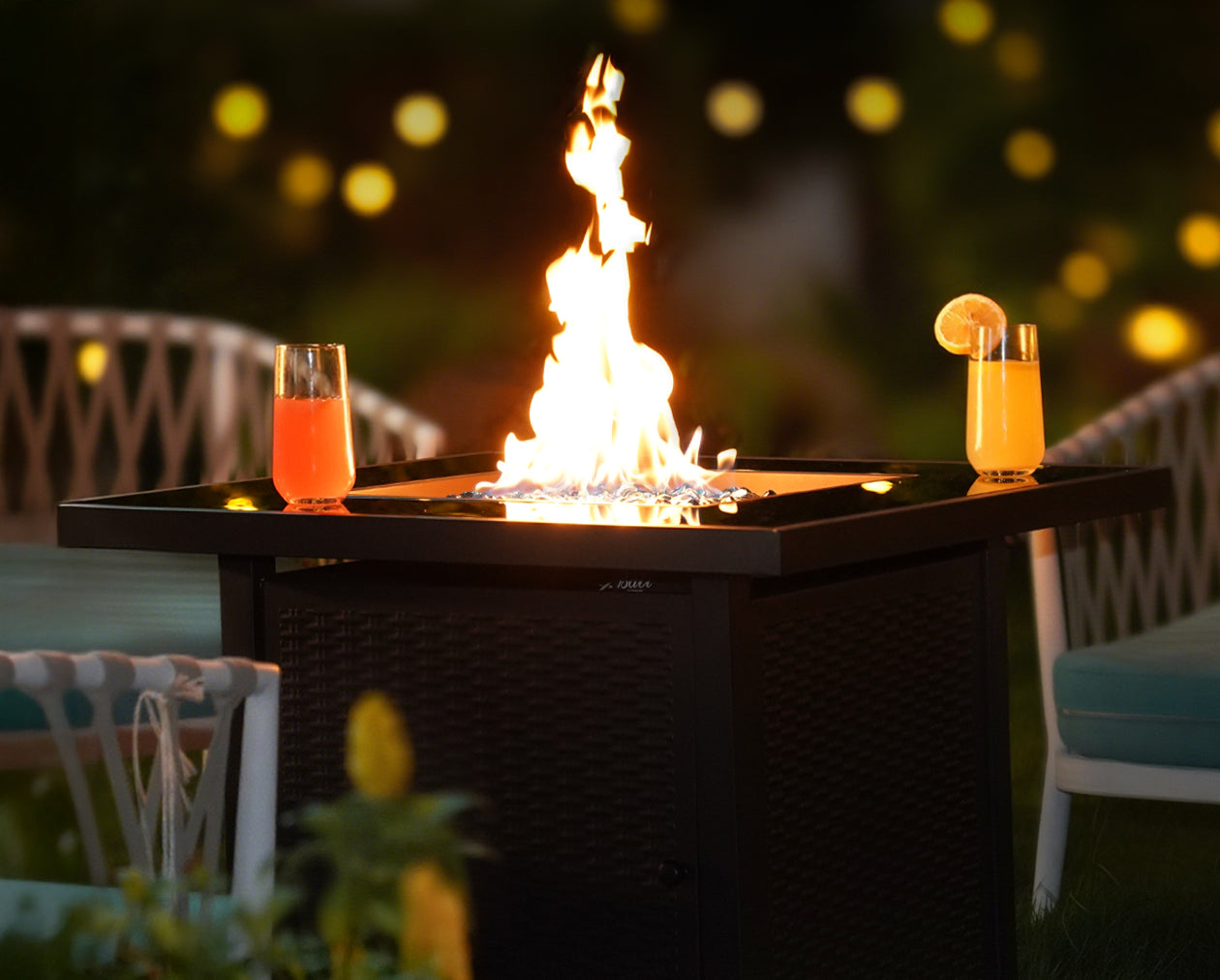


Covers propane safety, furniture clearance rules, material durability, and creating a multi-functional outdoor area.
Why Convertible Fire Tables Win in Multi-Use Small Patios
In a compact outdoor space, every square foot is a premium asset. Whether you are navigating a high-rise balcony, a cozy urban deck, or a small suburban patio, the furniture you choose must justify its footprint. We often see homeowners struggle with the "either-or" dilemma: do you install a dining table for morning coffee, or a fire pit for evening relaxation?
The answer lies in the convertible fire table. By integrating a high-output burner with a flush-mount lid, these units transition seamlessly from a functional workspace or dining surface to an atmospheric heat source. This dual-purpose design does more than just save space; it simplifies the outdoor experience for those who prioritize safety, HOA compliance, and aesthetic cleanliness.
The Anatomy of a High-Performance Convertible Table
A "convertible" fire table is defined by its ability to change roles without compromising the integrity of either function. For small spaces, the design must be intentional. We look for three primary engineering features that define a benchmark-level multi-use table.
1. The Integrated Burner Lid
The lid is the most critical component for multi-functionality. It must sit flush with the tabletop to create a stable surface for glassware or plates. In our experience observing product lifecycles, thin-gauge metal covers are prone to warping after repeated heat cycles. We recommend looking for covers made from the same high-quality, powder-coated steel or aluminum as the frame to ensure they remain flat and functional over time.
2. Hidden Propane Storage
In a small patio, an external propane tank connected by a hose is more than an eyesore; it is a significant tripping hazard. Models like the 28 Inch Propane Fire Pit Table, Gray solve this by housing a standard 20lb propane tank directly within the base. This "all-in-one" footprint is essential for maintaining a clean, professional look in tight quarters.
3. Material Durability
The tabletop material must be rated for two distinct stressors: the high heat of the burner and the standard wear of outdoor furniture (UV exposure, spills, and moisture). Materials like tempered glass or powder-coated steel are preferred because they do not absorb heat as quickly as stone or tile, making the transition from "fire mode" to "table mode" faster once the unit is extinguished.

Safety Standards and the "Clearance Zone" Heuristic
When dealing with small spaces, safety is not just a suggestion—it is a requirement for protecting your home and complying with local regulations. According to the United States Fire Administration (FEMA), maintaining proper distance from structures is a foundational rule of outdoor fire safety.
The 10-Foot Rule and Beyond
FEMA recommends keeping fire features at least 10 feet away from your home or any combustible structures. However, for those on balconies or small decks, this can be challenging. This is where propane-powered tables offer a distinct advantage over wood-burning pits. Because propane units produce no embers or sparks, they are often more acceptable under strict HOA guidelines, though you must always verify your local fire codes.
The 24-Inch Furniture Rule
A common mistake we observe in small-space setups is placing chairs or railings too close to the fire table. Even with the lid on, the surface can retain heat for several minutes after use.
Logic Summary: Based on common patterns from customer support and installation feedback, we suggest a 24-inch clearance heuristic. While manufacturer manuals often specify a lower distance for "combustibles," maintaining 24 inches on all sides ensures that guests can move safely around the unit without accidental contact with a hot surface.
| Parameter | Recommended Value | Unit | Rationale |
|---|---|---|---|
| Structural Distance | 10 | Feet | FEMA Safety Guidelines |
| Furniture Clearance | 24 | Inches | Heuristic for safe movement |
| Surface Heat Retention | 15–20 | Minutes | Post-extinction cooling period |
| Ventilation Gap | 2 | Inches | Minimum base-to-floor air gap |
Managing Emissions: Why Gas is King for Small Patios
For renters or homeowners in close proximity to neighbors, smoke is a major point of friction. The EPA's Burn Wise Program emphasizes that wood smoke contains fine particles that can affect air quality. In a small, enclosed patio, this smoke can quickly become overwhelming.
Propane fire tables, such as the 42 inch Rectangular Propane Fire Pit Table, Black, provide a clean-burning 50,000 BTU output. This allows for immediate warmth without the ash, soot, or lingering odor associated with wood.

Carbon Monoxide Awareness
Safety doesn't end with fire prevention. Because these units burn fuel, they produce Carbon Monoxide (CO). The Centers for Disease Control and Prevention (CDC) is clear: gas-burning appliances should never be used in enclosed spaces.
Strict Requirement: Your fire table must only be used in open-air environments with plenty of natural ventilation. If your "small patio" is actually an enclosed sunroom or a balcony with three solid walls and a roof, a gas fire table is likely not a safe option. Always ensure at least two sides of your outdoor area are completely open to the air to prevent gas buildup. Browse our compact fire tables to find the perfect fit for your outdoor space.
Maximizing Value: The 2-in-1 Selection Strategy
When selecting a unit, consider the primary way you use your space during the day versus the night.
- For the "Outdoor Office" User: If you use your patio to work during the day, a square or circular table like the 28 Inch Propane Fire Pit Table, Black is ideal. The 28-inch width provides enough surface area for a laptop and a drink when the lid is on, but doesn't dominate the floor plan.
- For the "Social Host": If you frequently have guests, the 32 Inch Propane Fire Pit Table, Brown offers a larger tempered glass surface. This reflective material not only looks high-end but also makes the space feel larger by bouncing light around the patio.
Durability Check: The Burner Mechanism
A non-obvious detail that separates professional-grade tables from budget options is the ignition system. We recommend a piezo ignition system with a safety thermocouple. This ensures that if the flame is blown out by a gust of wind, the gas supply is automatically cut off. This is a vital feature for small spaces where a gas leak could concentrate quickly.
Maintenance for Longevity
To keep your convertible table functioning as both a fire feature and a dining surface, regular maintenance is required.
- Lid Placement: Never place the lid on the burner while the flame is active or immediately after extinguishing. Wait at least 15 minutes to avoid heat-warping the metal.
- Orifice Cleaning: Small insects often find their way into gas burner tubes. Check the "spider guards" or burner orifices once a season to ensure a clean, blue flame.
- Covering the Unit: When not in use for extended periods, use a weather-resistant cover. This protects the burner from rain and debris, ensuring the ignition system remains dry and reliable.
Modeling Note: Our durability estimates assume the use of a protective cover during the off-season. Tables left exposed to salt air or heavy snow without protection typically see a 30% faster degradation of the powder coating (estimated based on common warranty claim patterns).
Creating a Cohesive Small-Space Aesthetic
A fire table should not look like a piece of industrial equipment dropped onto your deck. To integrate it effectively:
- Match your Metals: If your balcony railing is black wrought iron, choose a black powder-coated table to create a built-in look.
- Use Fire Glass: Use the included fire glass—like the 15lbs of blue smooth glass provided with the 42-inch rectangular model—to add a pop of color that complements your outdoor cushions.
- Lighting Layers: Use the fire table as your primary "warm" light source, and supplement it with low-voltage string lights to create a sense of depth in a small area.
By choosing a convertible fire table, you are investing in a piece of furniture that respects your space constraints while significantly upgrading your quality of life. It provides the warmth of a hearth and the utility of a table, all while adhering to the highest safety standards for the modern home.
Safety Disclaimer: This article is for informational purposes only. Always follow the specific manufacturer’s instructions provided with your fire table. Ensure all installations comply with local fire codes and HOA regulations. If you suspect a gas leak, turn off the supply immediately and contact a professional.